
This Besan Mewa Laddu recipe is rooted in centuries of Indian culinary tradition — a golden, fragrant ball made from gram flour slow-roasted in ghee, enriched with cashews, almonds, and cardamom, then sweetened with khaand. It has earned its place on Diwali trays, wedding boxes, and new mother recovery tables for good reason. At Vyanjika, we make this laddu exactly the way it has always been made: with quality ingredients, no shortcuts, and the patience to roast the besan until it is truly done. If you have been looking for a homemade sweet that is both deeply nourishing and genuinely impressive, this is the recipe to start with.
Ingredients
Makes approximately 25 laddus (1 kg total)

- Besan (gram flour / chickpea flour) — 500g

- Ghee (clarified butter) — 300g
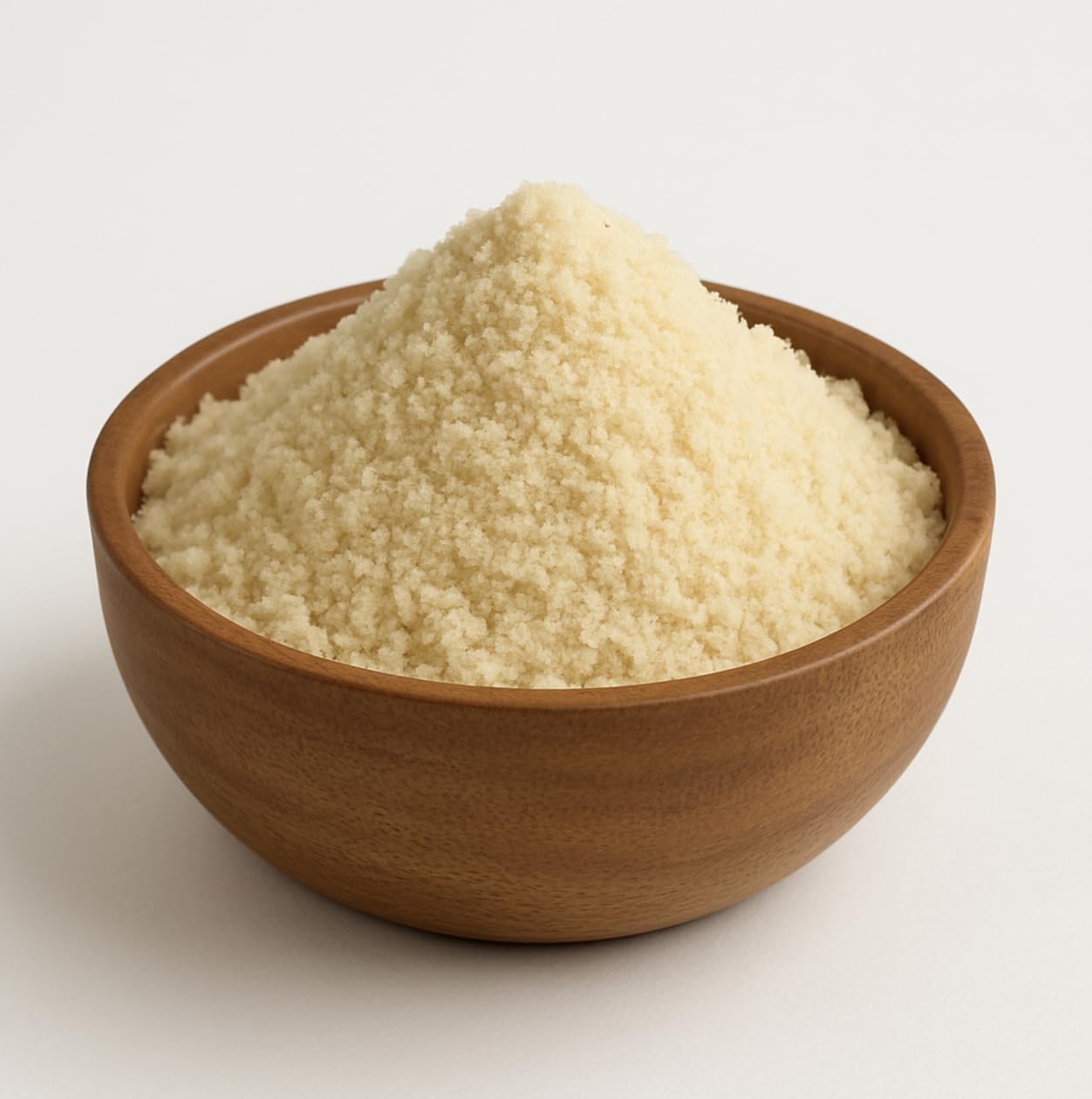
- Khaand (crushed sugar / desi khand) — 250g (adjust to taste)
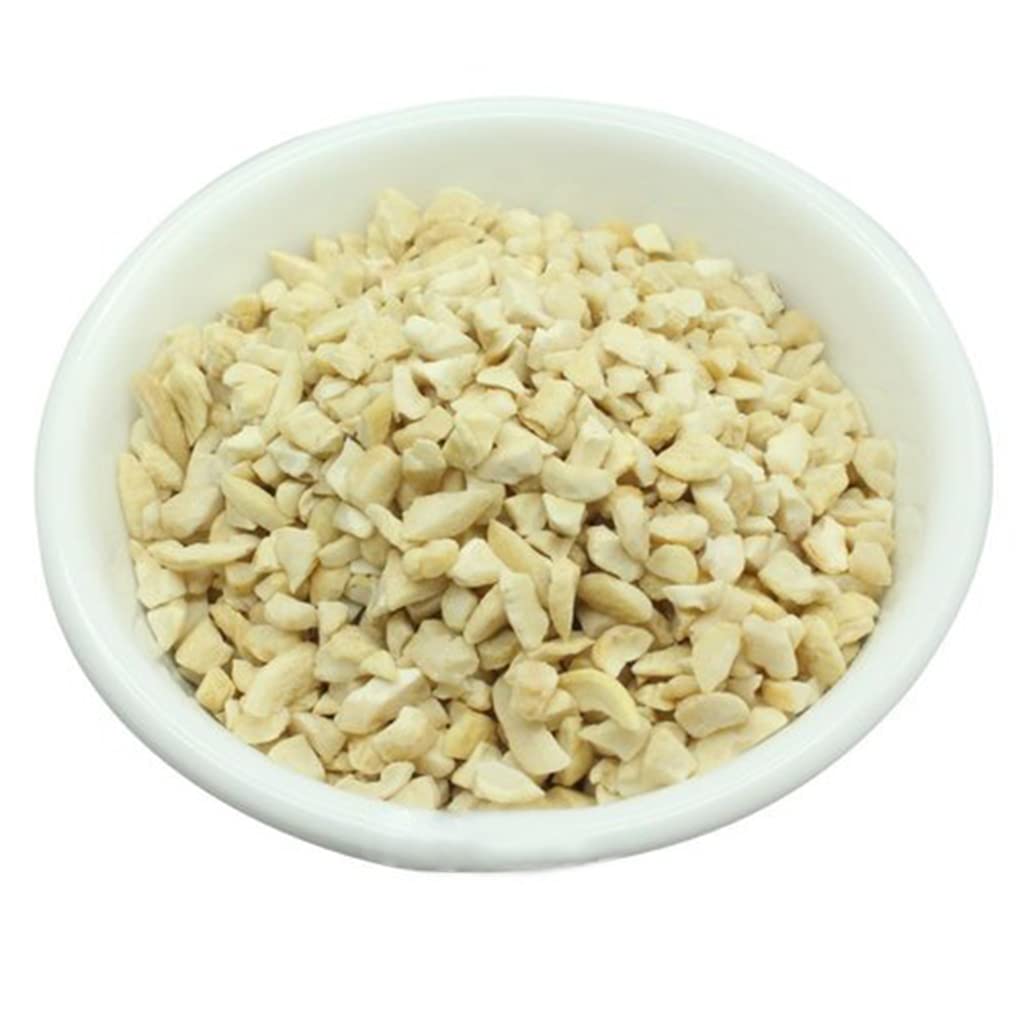
- Kaju (cashews), roughly chopped — 60g

- Badam (almonds), blanched, peeled, and roughly chopped — 60g
- Elaichi (green cardamom), seeds ground to a fine powder — 1 teaspoon (approximately 8–10 pods)
Difficulty Level
Difficulty: Medium — The technique is straightforward, but the recipe demands 22–27 minutes of continuous, uninterrupted stirring and the skill to read doneness by aroma and visual cues rather than a timer.
How to Make Besan Mewa Laddu
Sift the besan. Pass 500g besan through a fine sieve into a large bowl to remove lumps. Set aside.
Prepare the dry fruits. Blanch the almonds in hot water for 5 minutes, drain, peel, and chop roughly. Chop the cashews into small pieces. Keep both aside.
:max_bytes(150000):strip_icc()/GettyImages-629284902-588e94285f9b5874ee7aeda1.jpg)
Grind the cardamom. Crack open 8–10 green cardamom pods, extract the seeds, and grind to a fine powder. Set aside.
Powder the khaand. If your khaand is coarsely crushed, grind it to a fine powder so it mixes evenly into the cooled mixture. Do not add sugar to the mixture while it is still hot.
Dry-roast the besan. Heat a heavy-bottomed kadai on low flame. Add the sifted besan to the dry pan — no ghee yet. Stir continuously for 10–12 minutes until the raw, beany aroma gives way to a warm, nutty fragrance and the colour deepens slightly to golden-yellow.
Add ghee in stages and continue roasting. Begin adding the 300g ghee in increments — pour a small amount, stir it fully into the flour, then add more. Do not add all the ghee at once. Continue roasting and stirring on low flame for another 12–15 minutes. The mixture is ready when it turns a uniform light golden brown, releases a strong nutty aroma, and ghee begins to appear at the edges of the pan.
Add dry fruits. Add the chopped cashews and almonds to the pan. Stir together for 2–3 minutes on low flame so the nuts warm through and their oils blend into the mixture. Switch off the flame.
Cool the mixture. Transfer the besan-ghee mixture to a large plate or thali. Spread it out and let it cool at room temperature until it is warm to the touch — not hot, not fully cold. This takes 10–20 minutes.
Add khaand and cardamom. Once the mixture is warm (not hot), add the powdered khaand and ground cardamom. Mix thoroughly until the colour and texture are completely uniform.
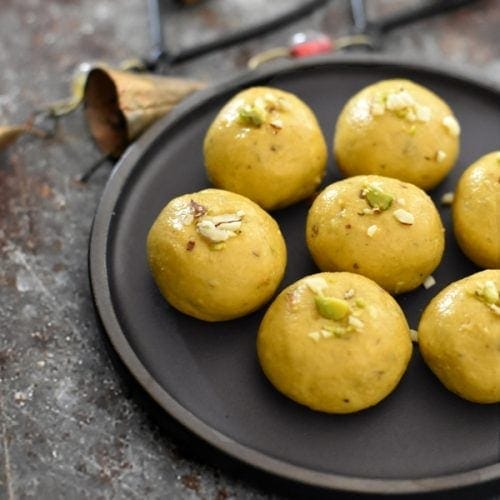
Shape the laddus. Take approximately 40g of mixture per laddu. Press it firmly and roll between both palms in a circular motion to form smooth, round balls. Work while the mixture is still warm — it binds best at this stage. If the mixture cools too much and crumbles, warm it gently for 30 seconds and try again. If it feels dry, add a teaspoon of warm ghee and mix before rolling.
Set and store. Place the shaped laddus on a plate and allow them to set at room temperature for 3–4 hours before storing. Transfer to an airtight container. They keep for 2–3 weeks at room temperature.
Benefits of Besan Mewa Laddu
- Nutrient-dense energy. Each laddu delivers approximately 244 calories from real ingredients — gram flour protein, ghee’s fat-soluble vitamins, and the micronutrients in cashews and almonds — with no empty calories from processed additives.
- Strong plant-based protein. Besan contains 20–22g of protein per 100g, making these laddus a genuinely satisfying snack rather than just a sweet. A single laddu provides over 5g of protein.
- Naturally gluten-free. Besan is ground chickpeas and contains no gluten, making Besan Mewa Laddu a safe indulgence for those with gluten intolerance or coeliac disease (use certified gluten-free besan to avoid cross-contamination).
- Long shelf life — no refrigeration needed. These laddus keep for 2–3 weeks in an airtight container at room temperature, making them ideal for batch preparation and gifting. We make a full kilogram at a time so we have a supply ready through the week.
- A traditional post-partum food. The combination of besan, ghee, and dry fruits has been prescribed in Indian households for new mothers for generations. The caloric density, iron from besan, and butyrate from ghee support recovery — a tradition we honour in every batch we make.
- Gut and digestive support. Besan’s 11g of fiber per 100g feeds beneficial gut bacteria. Cardamom’s carminative compounds aid digestion and reduce bloating — a thoughtful pairing that has stood up to modern nutritional scrutiny.
Nutrition Value
Per serving: 1 laddu (~40g), from a batch of approximately 25 laddus
| Nutrient | Amount |
|---|---|
| Calories | ~244 kcal |
| Total Fat | ~15.5g |
| Carbohydrates | ~22.9g |
| Protein | ~5.3g |
| Sodium | ~12mg |
| Fiber | ~2.6g |
| Sugar | ~10.6g |
Values are estimates based on standard nutritional databases for each ingredient. Actual values vary with the precise quantity of khaand and nuts used.
Who Should Avoid
- People with diabetes. Traditional Besan Mewa Laddu contains significant added sugar that causes blood glucose spikes. Even though besan has a low glycemic index on its own, the sugar load in the finished laddu makes it unsuitable for diabetics without substantial recipe modification.
- People with tree nut allergies. This recipe contains cashews and almonds, both major tree nut allergens. Even traces can trigger severe reactions. Anyone with a diagnosed tree nut allergy must not consume this dish.
- People with legume or chickpea sensitivity. Besan is ground chickpeas. Those with legume allergies — which can include cross-reactivity with peanuts, lentils, or peas — should avoid or exercise caution.
- People managing obesity or on calorie-restricted diets. At approximately 244 calories per laddu, this is a calorie-dense food. Regular or unchecked consumption is not compatible with calorie-restricted eating plans.
- People with cardiovascular disease or high LDL cholesterol. The combined saturated fat from 300g ghee and nuts is significant. Those on low-fat or cardiac diets should avoid this recipe without medical guidance.
- People with chronic kidney disease (Stages 3–5). Besan, cashews, and almonds are all moderate-to-high in potassium and phosphorus. Those managing these minerals under medical supervision should consult their dietitian before consuming.
- Children under 3 years. Chopped nuts present a choking hazard for very young children. The high sugar and fat content also make this an inappropriate food for infants and toddlers.
- People with a true dairy/milk protein allergy. Ghee is derived from dairy and may contain trace dairy proteins despite being largely casein-free and lactose-free. Those with a diagnosed milk protein allergy should substitute refined coconut oil.
If you are unsure whether this dish is right for you, consult a doctor or nutritionist.
The History of Besan Mewa Laddu
The laddu is one of the oldest documented sweets in Indian history. References to round balls of flour, ghee, and sweetener appear in the Rigveda — among the world’s oldest scriptures, composed over three thousand years ago — as offerings made during Vedic fire rituals. The 3rd–4th century CE Sanskrit medical text Sushruta Samhita describes “ladduka” as small medicinal balls used to deliver herbal preparations and act as antiseptics. The laddu’s round form was practical long before it was festive: easy to make, store, and carry. The first documented recipe for laddu as a dessert rather than a medicine appears in the 11th-century Western Indian cookbook Lokopakara.
The besan laddu is the most widespread and historically rooted variety across North and Central India, particularly in Rajasthan, Uttar Pradesh, Punjab, and Madhya Pradesh. It became a staple because besan was cheap, storable, and nourishing — combined with ghee and sugar, it produced a sweet that kept for weeks without refrigeration. The mewa (dry fruits) elevation reflects the influence of Mughal court cuisine, which introduced cashews and almonds into native recipes as markers of prestige. Today, Besan Mewa Laddu is the premium tier of the category: served at weddings, gifted in decorated boxes, offered as temple prasadam, and prepared for new mothers in the 40-day post-partum tradition still observed in many North Indian households.
Frequently Asked Questions About Besan Mewa Laddu
Can I substitute ghee with oil or butter?
Ghee is what gives this gram flour laddu with dry fruits its distinctive flavour and helps it bind and set properly. If you need a vegan or dairy-free alternative, refined coconut oil works well in the same quantity — it performs similarly during roasting and sets at room temperature. Regular vegetable oil or butter will not produce the same result.
How long do these laddus keep, and do they need refrigeration?
Stored in an airtight container at room temperature, these laddus keep for 2–3 weeks, and up to 4 weeks in cooler weather. Do not refrigerate them — cold hardens the ghee and changes the texture unfavourably. Keep them away from direct sunlight and moisture.
Can I make these in advance for gifting or festivals?
Yes, and this recipe is ideal for it. Make a full kilogram batch up to two weeks ahead of Diwali, Raksha Bandhan, or any occasion. Let the laddus set fully for 3–4 hours before packing them into airtight tins or gift boxes. They travel well and hold their shape.
Is Besan Mewa Laddu gluten-free?
Yes — besan is made from chickpeas and is naturally gluten-free. However, if you are cooking for someone with coeliac disease, ensure you purchase certified gluten-free besan, as some commercial brands are processed in facilities that also handle wheat.
What equipment do I need to make besan mewa laddu at home?
You need a heavy-bottomed kadai or thick-based pan (essential — thin pans cause uneven roasting and burning), a wooden spatula for continuous stirring, a large plate or thali for cooling, and a kitchen scale for accurate measurements. No specialised equipment is required.
Why are my laddus crumbling and not holding their shape?
Crumbling is almost always caused by one of two things: the mixture was too cold when you tried to shape it, or the ratio of ghee was slightly low for your particular besan. If the mixture has cooled too much, warm it gently in the pan for 30 seconds and try again. If it still crumbles, add a teaspoon of warm ghee, mix it through, and reshape.
 No products in the cart.