
Dates Dry Fruit Laddu is everything a homemade Indian sweet should be — rich, satisfying, and built entirely from ingredients that mean something. Dates (khajoor) do the work that refined sugar usually does: they bind the laddu, sweeten it, and provide the dense, chewy centre that makes every bite feel complete. We add almonds, cashews, pistachios, and poppy seeds roasted in a small amount of ghee, then finish with cardamom. No sugar syrup. No flour. No refined sugar at all. At Vyanjika, we make this laddu for people who want their festive sweets to hold up to scrutiny — and this one does.
Ingredients
Makes approximately 25 laddus (1 kg total)
- Khajoor (dates), pitted — 840g
- Ghee (clarified butter) — 100g
- Badam (almonds), roughly chopped — 60g
- Kaju (cashews), roughly chopped — 50g
- Pista (pistachios), roughly chopped — 30g
- Khus Khus / Posta Dana (poppy seeds) — 20g
- Elaichi (green cardamom), seeds ground to a fine powder — 1 teaspoon (approximately 8–10 pods / 5g)
Difficulty Level
Difficulty: Medium — The technique is straightforward with no sugar syrup or deep-frying involved, but pitting 840g of dates is laborious, the roll window is short, and date moisture assessment requires judgment.
How to Make Dates Dry Fruit Laddu
Pit the dates. Remove the pit from every date by hand or with a knife. At 840g this takes patience — check each one carefully. If your dates feel firm or dry, soak them in warm water for 10–15 minutes, then drain and pat completely dry.
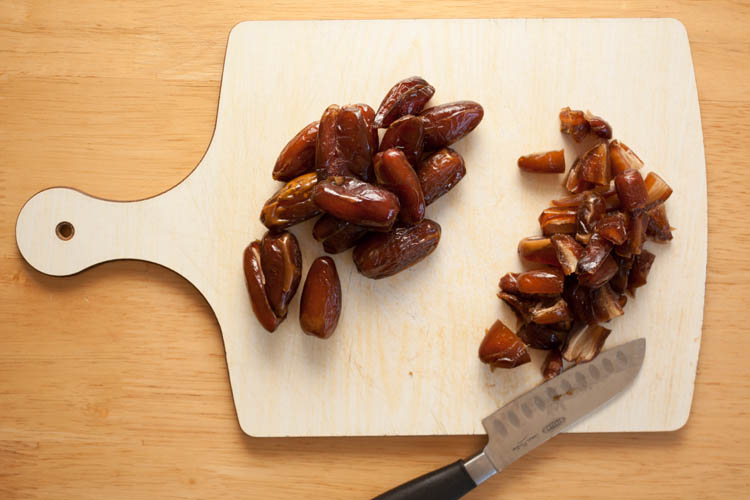
Chop the dates. Roughly chop the pitted dates into chunks, or pulse in a food processor to a coarse paste. Do not blend fully smooth — some texture makes for a better laddu.
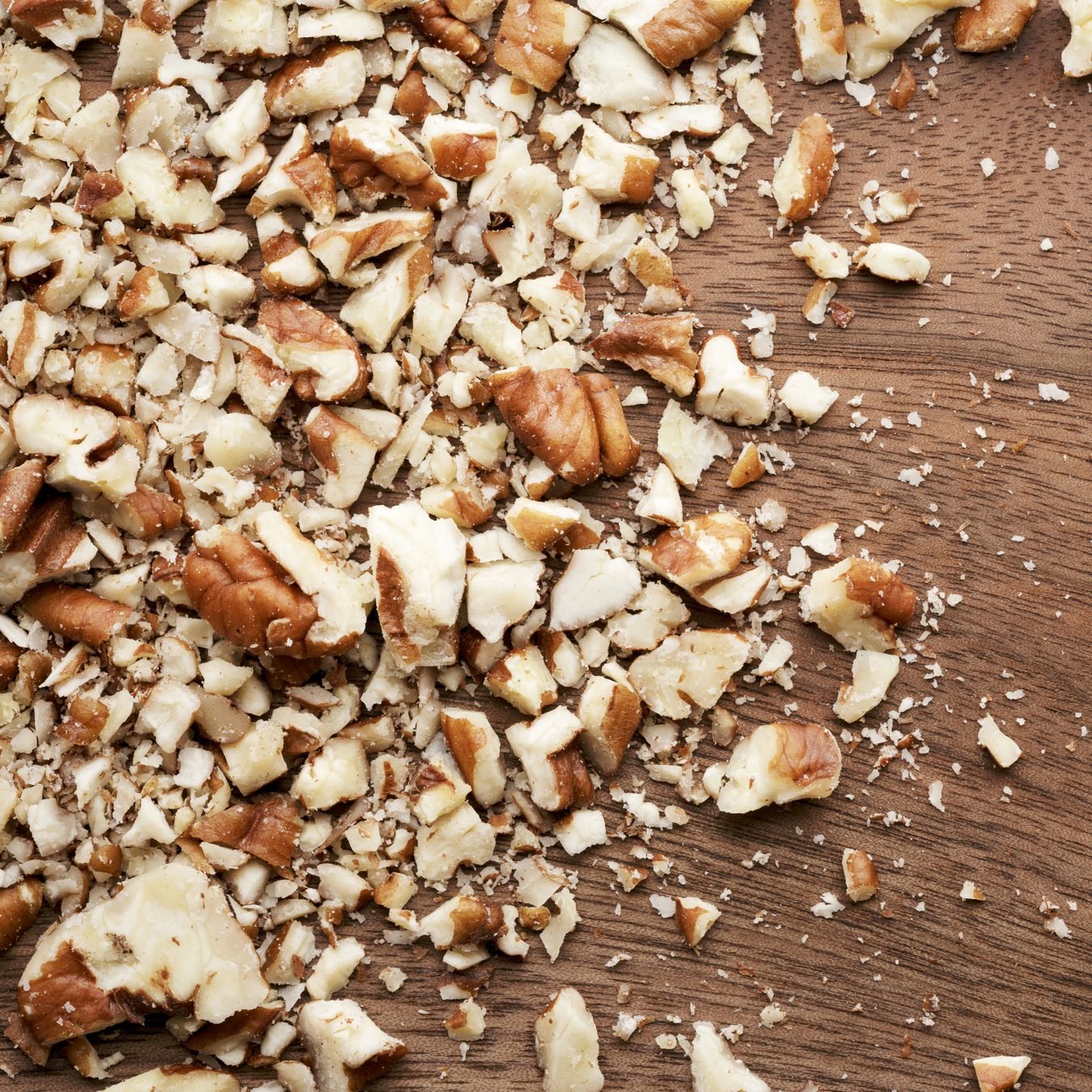
Chop the nuts. Roughly chop the almonds, cashews, and pistachios into 5–7mm pieces — small enough to distribute evenly, large enough to give crunch in every bite.

Dry-roast the poppy seeds. In a dry pan with no ghee, roast the khus khus on low-medium flame, stirring constantly, for 2–3 minutes until they turn lightly golden and release a nutty aroma. They will begin to pop lightly — remove immediately. Set aside to cool.
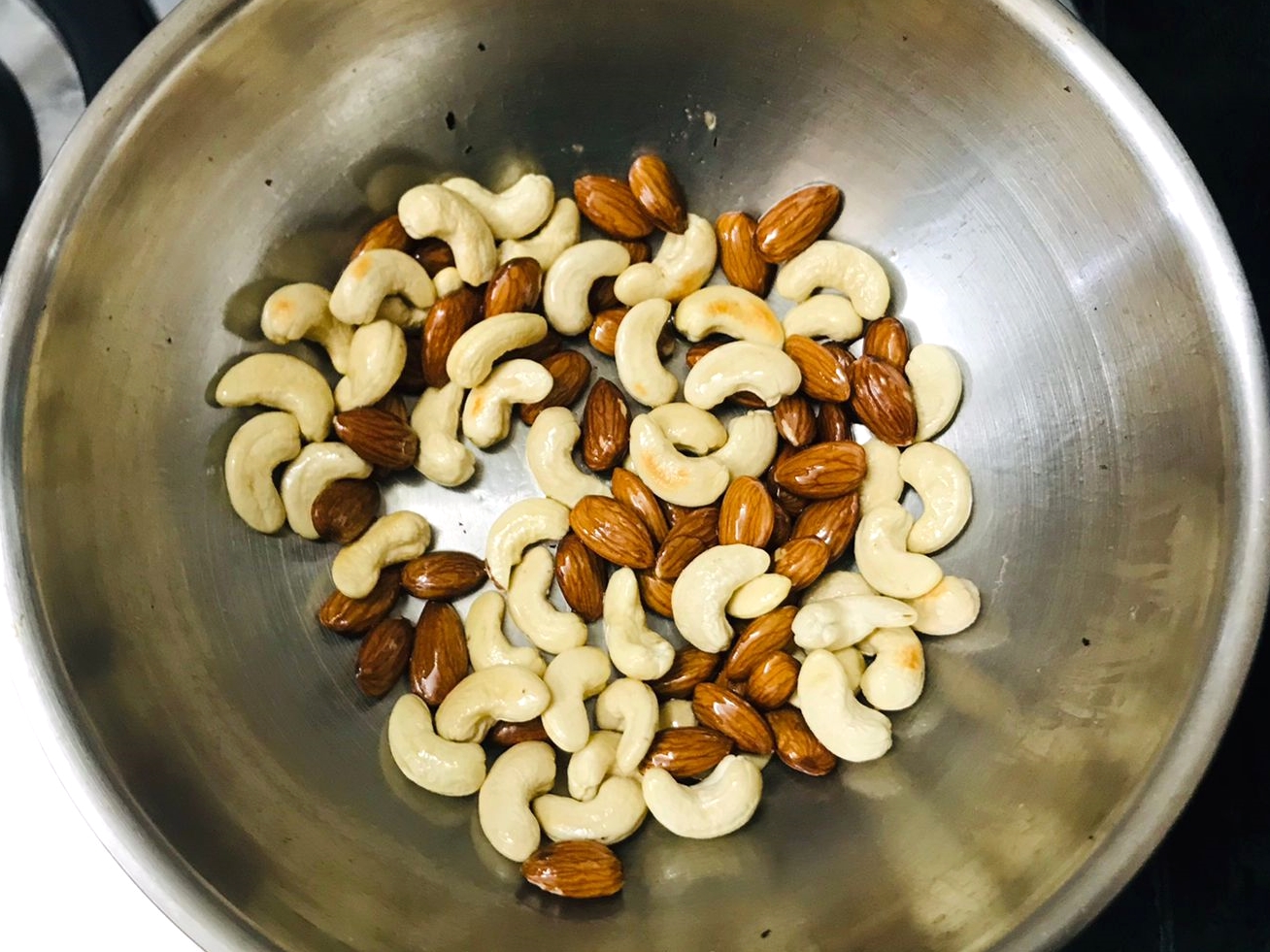
Roast the nuts in ghee. In a heavy-bottomed kadai, heat the ghee over medium flame. Add the chopped almonds, cashews, and pistachios. Stir continuously on low to medium heat for 3–4 minutes until lightly golden and fragrant. Do not let them fully brown — they continue to cook in residual heat.
Add dates and combine. Reduce the flame to low. Add the chopped dates into the pan with the roasted nuts. Add the cardamom powder. Using a spatula, smash and fold the dates into the nuts for 4–5 minutes on low flame. The dates will break down, release their natural sugars, and bind with the nuts. Add the roasted poppy seeds and fold in. The mixture is ready when it looks glossy and cohesive, pulls away from the sides of the pan, and smells of warm dates, ghee, and cardamom.
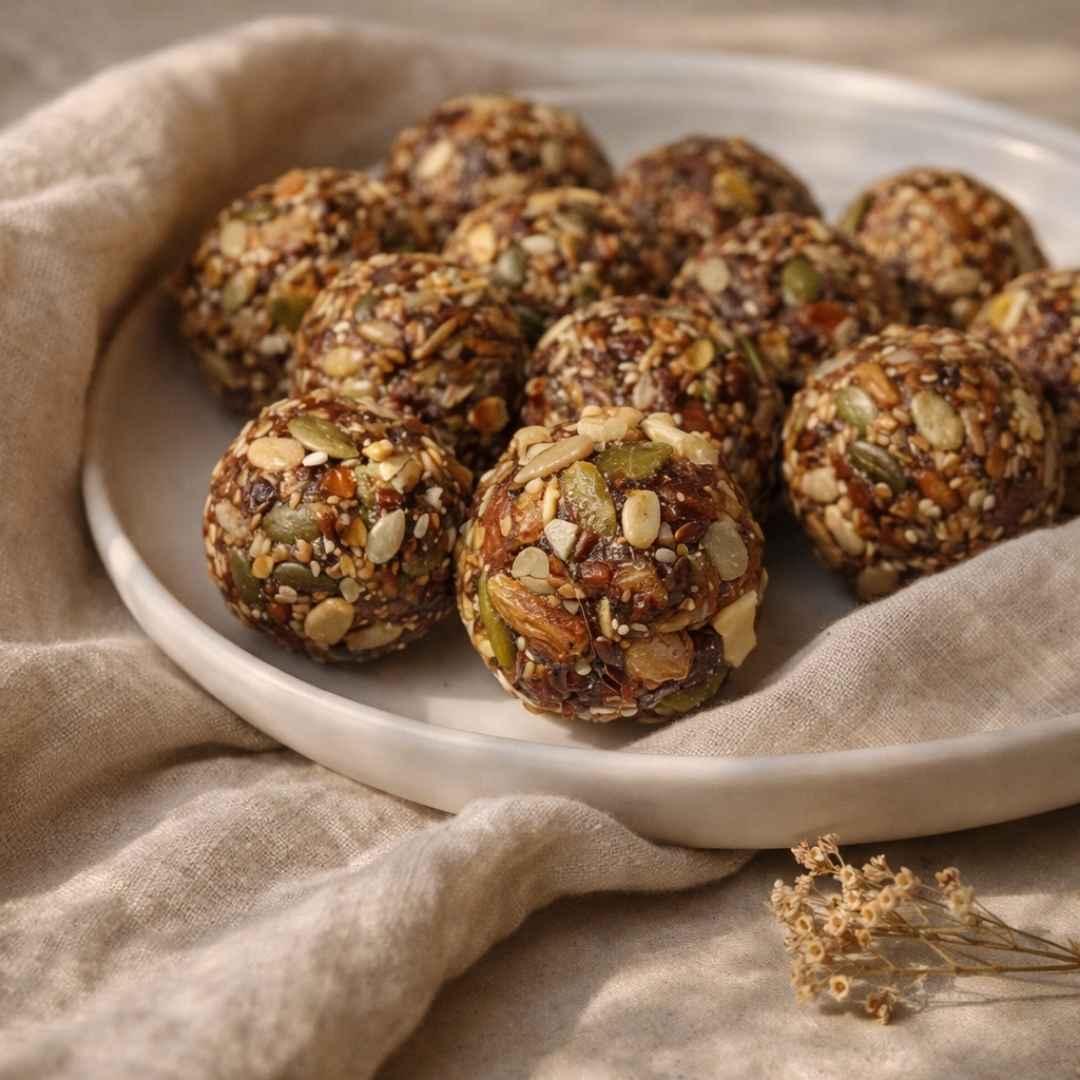
Shape the laddus immediately. Transfer the mixture to a wide plate and allow to cool for just 1–2 minutes — not fully. Shape while still warm: date sugars set quickly once cool. Lightly grease your palms with ghee, take approximately 40g of mixture, and roll firmly between both palms into a smooth ball. Work quickly. If the mixture stiffens mid-way, return the pan to a low flame briefly to re-soften.
Set and store. Cool laddus completely at room temperature for 20–30 minutes — they firm up as they cool. Store in an airtight container at room temperature for up to 2–3 weeks, or refrigerate for up to 6–8 weeks.
Benefits of Dates Dry Fruit Laddu
- Zero refined sugar. Dates are the only sweetener in this khajoor laddu — all sweetness comes from natural fructose and glucose within a fibre-rich matrix. No sugar syrup, no jaggery, nothing processed.
- Far less ghee than traditional laddus. At 100g of ghee for a full kilogram, each laddu contains approximately 4g of ghee — roughly a third of what a besan or atta laddu of the same size would contain.
- Iron-rich. Dates provide approximately 1mg of iron per serving — meaningful for vegetarians, women, and anyone prone to low iron. Soak the dates in water with a small squeeze of lemon before use to increase iron absorption.
- Naturally gluten-free. No wheat, semolina, or gluten-bearing ingredient of any kind, making this a safe festive sweet for those with gluten intolerance or coeliac disease.
- Exceptional shelf life. These laddus keep for 2–3 weeks at room temperature and up to 6–8 weeks refrigerated — making them one of the best options for advance Diwali preparation, gifting, or weekly snacking.
- Whole-food ingredients only. Dates, ghee, four kinds of nuts and seeds, cardamom. Nothing processed, nothing artificial. Every ingredient is identifiable.
Nutrition Value
Per serving: 1 laddu (~40g), from a batch of approximately 25 laddus
| Nutrient | Amount |
|---|---|
| Calories | ~165 kcal |
| Total Fat | ~6.5g |
| Carbohydrates | ~27g |
| Protein | ~2.2g |
| Sodium | ~3mg |
| Fiber | ~3.2g |
| Sugar | ~21g |
All sugars are entirely from dates — natural fructose and glucose. Zero refined sugar. Values are estimates based on USDA FoodData Central and standard nutritional databases.
Who Should Avoid
- People with diabetes. Despite containing no refined sugar, dates are naturally high in fructose and glucose (~63g sugar per 100g). Each laddu contains approximately 21g of natural sugar. Diabetics should consult their doctor or dietitian before including this in their diet.
- People with fructose intolerance or fructose malabsorption. Dates are very high in fructose. Those with hereditary fructose intolerance or fructose malabsorption may experience severe digestive symptoms after consuming dates in any quantity.
- People with tree nut allergies. This recipe contains almonds, cashews, and pistachios — all tree nut allergens. Anyone with a tree nut allergy must avoid this recipe or substitute all nuts with seeds.
- People with dairy allergy. Ghee is clarified butter derived from cow’s milk. Trace dairy proteins may remain despite clarification. Those with a diagnosed milk protein allergy should substitute ghee with refined coconut oil.
- People with chronic kidney disease. Dates are very high in potassium (~660mg per 100g). A single laddu provides approximately 220mg of potassium. Those on a potassium-restricted diet should avoid or strictly limit this recipe under medical supervision.
- People subject to occupational drug testing. Poppy seeds (khus khus) contain trace morphine and codeine residue and have been documented to cause false positive urine drug test results for opioids up to 48 hours after consumption. Athletes under WADA/USADA regulations should be aware of this.
- Children under 3 years. Chopped nuts present a choking hazard. The high natural sugar content is also not suitable for very young children.
If you are unsure whether this dish is right for you, consult a doctor or nutritionist.
The History of Dates Dry Fruit Laddu
The date palm (*Phoenix dactylifera*) is one of humanity’s oldest cultivated trees, documented in Mesopotamia from 3000 BCE and found in Harappan civilisation sites (2600–1900 BCE) along India’s ancient northwest. In Ayurveda, dates are called *Kharjura* and classified as a Rasayana — a rejuvenating food that builds ojas (vital life energy) and nourishes bodily tissues. They are prescribed for pregnant women, new mothers, growing children, and those recovering from illness. The ancient practice of soaking dates in warm milk overnight and consuming them at dawn remains one of Ayurveda’s most enduring wellness rituals. Dates reached India’s interior through two routes: overland through Iran and the Indus Valley, and by sea through Arab traders on the western coast — a commerce that made dates central to the cuisines of Gujarat, Rajasthan, and Hyderabad for over a millennium.
The Dates Dry Fruit Laddu as we make it today is a modern expression of ancient ingredients. As urban Indian cooks grew more aware of refined sugar’s costs through the 1990s and 2000s, they rediscovered dates as a natural sweetener capable of doing what sugar syrup does — but with fibre, iron, and potassium alongside. The core combination in this recipe — dates, ghee, and cardamom — directly mirrors the ancient Ayurvedic restorative formulation *khajur ghrita*, giving the modern khajoor laddu an authentic traditional pedigree even as it finds new homes in healthy Diwali gifting boxes, Ramzan Iftar spreads, and post-delivery nutrition plans. The ingredients are ancient. The intention — to make a sweet worth eating — is timeless.
Frequently Asked Questions About Khajoor Laddu
Which dates work best for this khajoor laddu recipe?
Soft, moist varieties give the best result — Medjool, Safawi, Kimia, and Mabroom all work well. They bind easily without soaking. Harder, drier varieties (like small domestic Indian khajoor) may need 10–15 minutes of soaking in warm water. Avoid dates that are crystallised or have added sugar coating.
Can I make this without ghee to make it vegan?
Yes — replace the ghee with refined coconut oil in the same quantity (100g). Refined coconut oil has a neutral flavour and performs similarly when roasting nuts. Unrefined (virgin) coconut oil will add a noticeable coconut flavour, which is pleasant but different from the original.
How long do these dates dry fruit laddus keep?
At room temperature in an airtight container: 2–3 weeks. Refrigerated: up to 6–8 weeks. The high natural sugar content of dates acts as a natural preservative. There is no need to freeze them unless making very far in advance.
Why do I need to shape them while still warm?
Date sugars firm up as they cool, similar to caramel. Once the mixture cools fully, it becomes difficult to shape smoothly. Work quickly after the mixture comes off the heat, and return it briefly to a low flame if it stiffens before you finish rolling.
Is the poppy seed content safe to consume regularly?
In the quantity used here — approximately 0.8g of poppy seeds per laddu — consumption is generally considered safe for most people. However, poppy seeds contain trace morphine residue that can cause false positive opioid results on urine drug tests for up to 48 hours after consumption. People subject to workplace or athletic drug testing should be aware of this.
Can I add other dry fruits to this recipe?
Yes — raisins (kishmish), dried figs (anjeer), dried cranberries, or walnuts all work well alongside the existing ingredients. Keep dates as the majority ingredient for binding — if you add more dry fruit, reduce the nuts by the same amount to maintain the 1kg yield.
 No products in the cart.