
This til khoya laddu recipe is our guide to one of North India’s most nutritionally rich festive sweets — roasted white sesame seeds bound with slow-cooked khoya, sweetened with crushed khaand, and finished with chopped almonds, cashews, and freshly ground cardamom. At Vyanjika, we share all of our recipes openly so you know exactly what goes into every piece you order from us. This is a winter-season classic with roots in Ayurvedic medicine, and it delivers genuine nutrition — calcium, heart-healthy fats, and plant protein — in a single satisfying laddu. If you want to understand what homemade quality actually looks like, start here.
Ingredients
For the base
- White Til (White Sesame Seeds) — 350g (approximately 2¼ cups)
- Khoya (Milk Solids) — 200g, crumbled (approximately 1¼ cups)
- Khaand (Crushed Sugar) — 175g (approximately ¾ cup)
For the filling and flavour
- Badam (Almonds) — 35g, roughly chopped (approximately 25 almonds)
- Kaju (Cashews) — 35g, roughly chopped (approximately 20 cashews)
- Elaichi (Cardamom) — 1 teaspoon, freshly powdered
Difficulty Level
Difficulty: Medium — This recipe requires careful heat control at two key points — roasting sesame seeds without burning them and cooking khoya to a dry, golden crumble — but uses a single pan and no sugar syrup work, making it achievable for anyone comfortable with low-to-medium stovetop cooking.
How to Make Till Khoya Laddu
:max_bytes(150000):strip_icc()/Simply-Recipes-How-To-Toast-Sesame-Seeds-LEAD-2-9a1042aea2684afa9af79d8d4be4e3cf.jpg)
Roast the sesame seeds. Add the white sesame seeds to a dry, heavy-bottomed kadhai on low-medium heat. Stir continuously for 4–5 minutes until they turn faintly golden and give off a warm, nutty aroma. Do not walk away — sesame burns quickly once it starts to colour.
Cool completely. Transfer the roasted sesame seeds to a flat plate and spread them out. Allow them to cool to room temperature, at least 10 minutes. Do not grind while warm.
Coarsely grind. Add the cooled sesame seeds to a mixer and pulse for 5–8 seconds. You want a coarse, crumbly texture — not a paste. Stop before it becomes powdery. This rough grind helps the laddus bind and hold their shape.
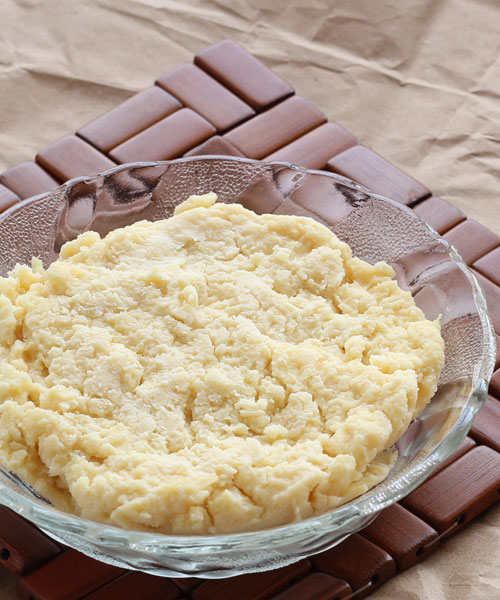
Roast the khoya. In the same kadhai on low heat, add the crumbled khoya. Stir continuously for 5–7 minutes until it turns lightly golden, smells toasty, and loses most of its moisture. The khoya should look dry and slightly grainy, not wet or glossy. Remove from heat.
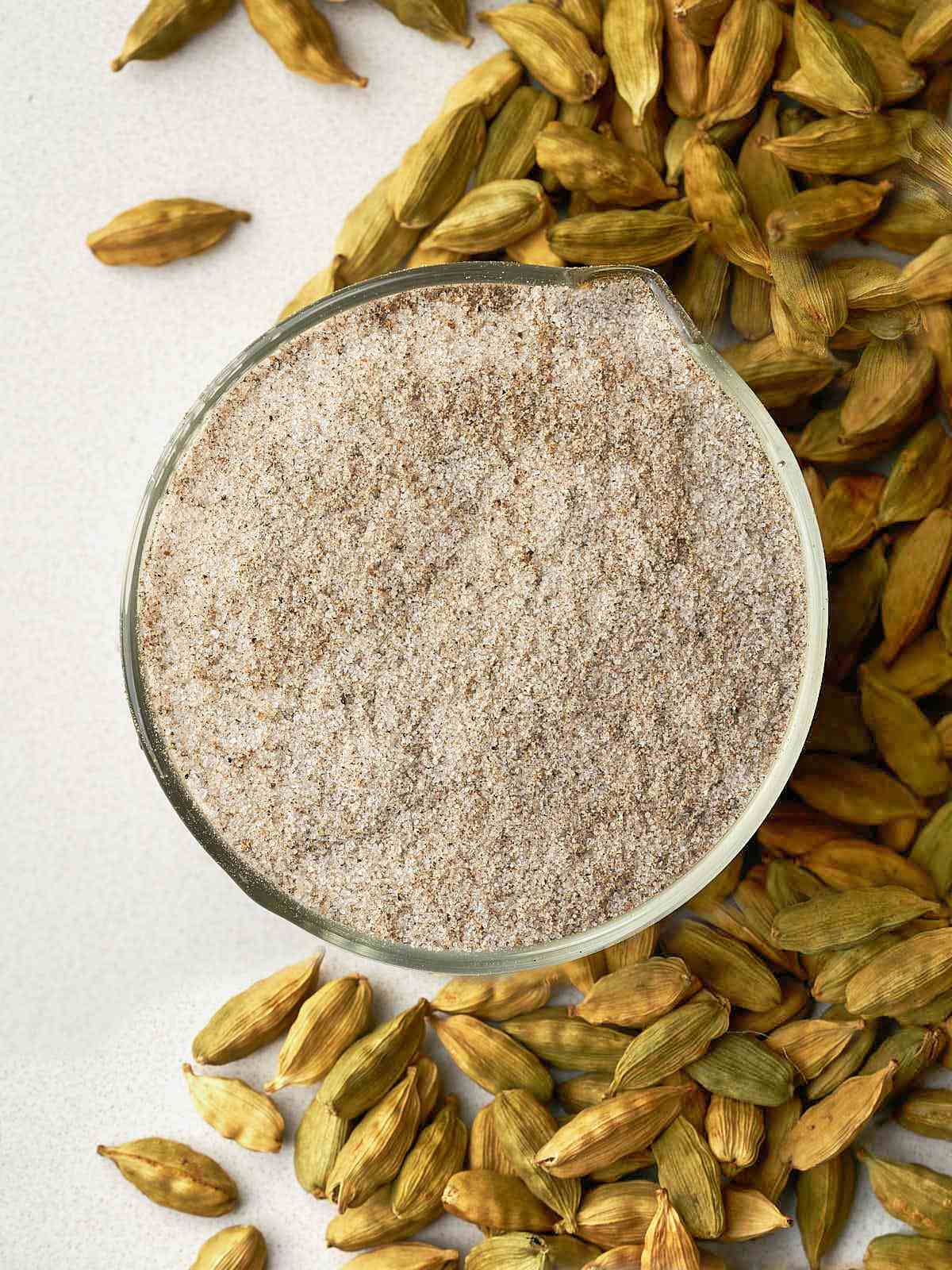
Add sugar and cardamom. While the khoya is still warm, add the khaand and freshly powdered elaichi. Mix well for 1–2 minutes on very low heat until the sugar is fully incorporated and the mixture smells fragrant.
Combine with sesame. Add the coarsely ground sesame seeds to the khoya mixture. Mix thoroughly off heat, pressing and folding with a spatula until the mixture holds together when a small amount is pressed between your fingers.
Fold in the nuts. Add the roughly chopped almonds and cashews. Fold gently to distribute evenly throughout the mixture.
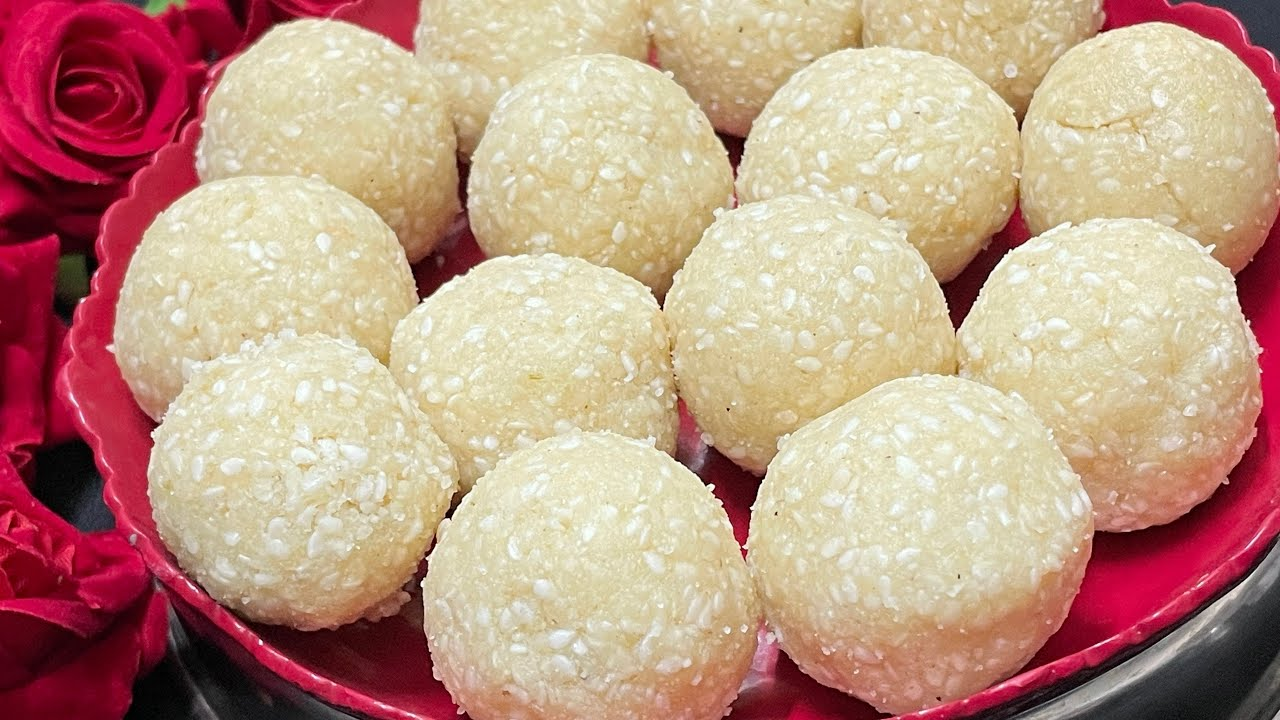
Shape into laddus. Lightly grease your palms with a small amount of ghee. While the mixture is still warm — not hot — take portions of approximately 45g and roll between your palms into smooth, firm balls. If the mixture feels too dry to bind, add 1 teaspoon of warm milk at a time and knead gently before shaping.
Cool and set. Place the shaped laddus on a clean plate and leave at room temperature for 15–20 minutes to firm up. They will hold their shape once fully cooled.
Store. Transfer to an airtight container. At room temperature in a cool, dry place, Till Khoya Laddu keeps well for 8–10 days. In colder climates or during winter months, shelf life extends to 15 days.
Benefits of Till Khoya Laddu
- Bone-building nutrition: Sesame seeds are one of the most calcium-dense plant foods available, and khoya adds further dairy-based calcium and protein — making each laddu a meaningful contribution to bone and joint health.
- Sustained energy without a crash: The combination of healthy fats from sesame, natural sugars from khaand, and protein from khoya and nuts provides slow-releasing energy — better suited to busy workdays than refined sugar snacks.
- Anti-inflammatory winter food: Sesame seeds have documented anti-inflammatory properties, and in Ayurveda they are considered warming foods, making this an ideal snack during colder months or when seasonal fatigue sets in.
- Heart-healthy fats: Sesame seeds are rich in monounsaturated and polyunsaturated fats, including oleic acid. These are the fats your body uses well, not the ones it stores indiscriminately.
- Naturally gluten-free: We use no wheat, refined flour, or grain-based thickeners. This recipe is completely gluten-free as made.
- Long shelf life — good for weekly prep: Till Khoya Laddu stays fresh for up to 10 days at room temperature, making it a practical healthy snack for people who want quality food ready without daily preparation.
Nutrition Value
Serving size: 1 laddu (~45g) | Approximate yield: 22 laddus per 1kg batch
Values are estimates based on ingredient composition. The exact nutrition will vary with the precise amount of sugar and nuts used.
Who Should Avoid
- People with sesame allergies: Sesame seeds are the primary ingredient. Anyone with a sesame allergy must avoid Till Khoya Laddu entirely.
- People with dairy or lactose intolerance: This recipe contains 200g of khoya per kg — a concentrated milk solid. It is not suitable for anyone with a dairy allergy or significant lactose intolerance.
- People with tree nut allergies: We use almonds and cashews. Anyone with a nut allergy should avoid this recipe or request a nut-free version.
- People managing type 2 diabetes or blood sugar: The recipe contains khaand as a significant ingredient. Replacing khaand with jaggery lowers the glycemic profile, but this remains a sweet and should be consumed in moderation by anyone with blood sugar concerns.
- People with calcium-oxalate kidney stones: Sesame seeds contain oxalates, which can worsen this condition. Those with a diagnosed kidney stone history should consult their doctor before eating sesame-based foods regularly.
- Children under one year: Not suitable due to added sugar and the texture of chopped nuts.
If you are unsure whether this dish is right for you, consult a doctor or nutritionist.
The History of Till Khoya Laddu
Sesame seed laddus carry one of the oldest documented histories of any Indian sweet. The Ayurvedic physician Sushruta, writing in the 4th century BC, recorded a medicinal preparation of sesame seeds, jaggery, and peanuts — coated in honey for antibacterial properties — as a supplement for strength and recovery. This formulation is considered the direct ancestor of til laddu, a sweet that began as medicine and gradually became mithai. In Hindu tradition, sesame seeds (til) hold deep spiritual significance: mythology holds that til sprouted from Lord Vishnu’s perspiration, making it a purifying ingredient used in rituals, ancestor offerings, and festive cooking across centuries.
The khoya version is a distinctly North Indian evolution of this ancient base. As dairy-rich mithai traditions developed across Uttar Pradesh, Bihar, and Rajasthan, cooks incorporated khoya to create a richer, more indulgent laddu suited to weddings and winter celebrations. Today, Till Khoya Laddu sits at the intersection of these two traditions — the ancient Ayurvedic sesame sweet and the North Indian milk-solid confection. It remains most strongly associated with Makar Sankranti, the January harvest festival, when the exchange of til-based sweets carries the Marathi blessing “Til-gul ghya, god god bola” — eat sesame and jaggery, and speak sweetly.
Frequently Asked Questions About Till Khoya Laddu
Can I substitute the sugar with jaggery in this til khoya laddu recipe?
Yes, jaggery powder (gur) is a traditional and nutritionally preferable substitute for khaand. It gives the laddus an earthier, slightly deeper flavour and a lower glycemic index compared to refined sugar. Use the same quantity — 175g — replacing khaand with finely powdered jaggery.
How long does Till Khoya Laddu stay fresh?
Stored in an airtight container at room temperature in a cool, dry place, these laddus stay fresh for 8–10 days. In colder months or in an air-conditioned environment, shelf life extends to up to 15 days. We do not recommend refrigerating them, as condensation can make the texture grainy.
Are til khoya laddu ingredients gluten-free?
Yes. All til khoya laddu ingredients — sesame seeds, khoya, khaand, almonds, cashews, and cardamom — are naturally gluten-free. We make our laddus in a dedicated kitchen that does not process wheat products.
Can I make Till Khoya Laddu without nuts?
Absolutely. The almonds and cashews are an enrichment, not a structural ingredient. You can omit them entirely for a nut-free version without affecting the texture or binding of the laddus.
Why won’t my laddus hold their shape?
This is almost always a temperature issue. The mixture must be shaped while warm — if it cools too much, it becomes crumbly and dry. Warm it briefly on a very low flame, or add one teaspoon of warm milk at a time and knead gently before rolling.
How to make til khoya laddu suitable for people with diabetes?
In its standard form, this sweet contains significant sugar and is not recommended for unmanaged diabetics. Replacing khaand with jaggery (lower glycemic index) or a sugar substitute, and consuming in small portions, can make it more suitable. Anyone managing diabetes should consult a nutritionist for personalized guidance.
 No products in the cart.