
Atta Mathri is North India’s beloved tea-time cracker, reimagined with whole wheat flour for a snack that is as nourishing as it is satisfying. Rooted in Rajasthani tradition and deeply woven into the fabric of festivals like Diwali, Holi, and Karva Chauth, mathri is one of those rare snacks that holds cultural memory in every bite. At Vyanjika, we make our atta mathri recipe with whole wheat flour instead of maida, bringing you more fibre, better nutrition, and the same golden crunch you grew up loving. If your evenings call for something crispy with chai — and you want it made properly, with real ingredients — this is the one.
Ingredients
Makes: ~1kg finished mathri
- Atta (Whole Wheat Flour) — 600g (approximately 4¾ cups)
- Suji / Rava (Fine Semolina) — 120g (approximately ¾ cup)
- Refined Oil — 70ml for dough (moyan) + 430ml for deep frying
- Ajwain (Carom Seeds) — 5g (approximately 1½ tsp)
- Kali Mirch (Black Pepper, coarsely ground) — 2g (approximately 1 tsp)
- Kasuri Methi (Dried Fenugreek Leaves) — 5g (approximately 2 tbsp, crumbled)
- Namak (Salt) — 8g (approximately 1½ tsp, adjust to taste)
- Water — 150–180ml (add gradually)
Difficulty Level
Difficulty: Medium — Achieving the classic khasta (crispy, flaky) texture requires two specific skills: getting the moyan ratio right before adding water, and maintaining low, consistent oil temperature throughout frying. Both are learnable with care, making this whole wheat mathri recipe accessible to home cooks with basic deep-frying experience.
How to Make Atta Mathri
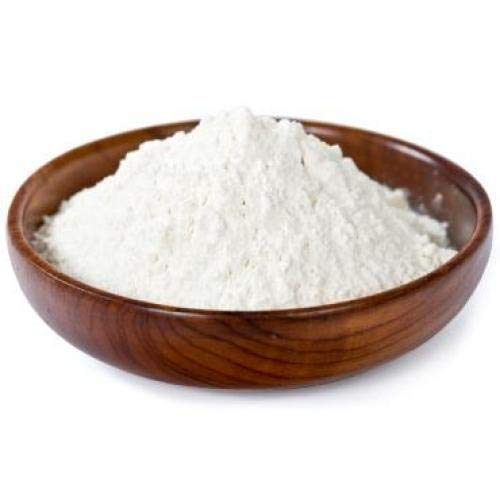
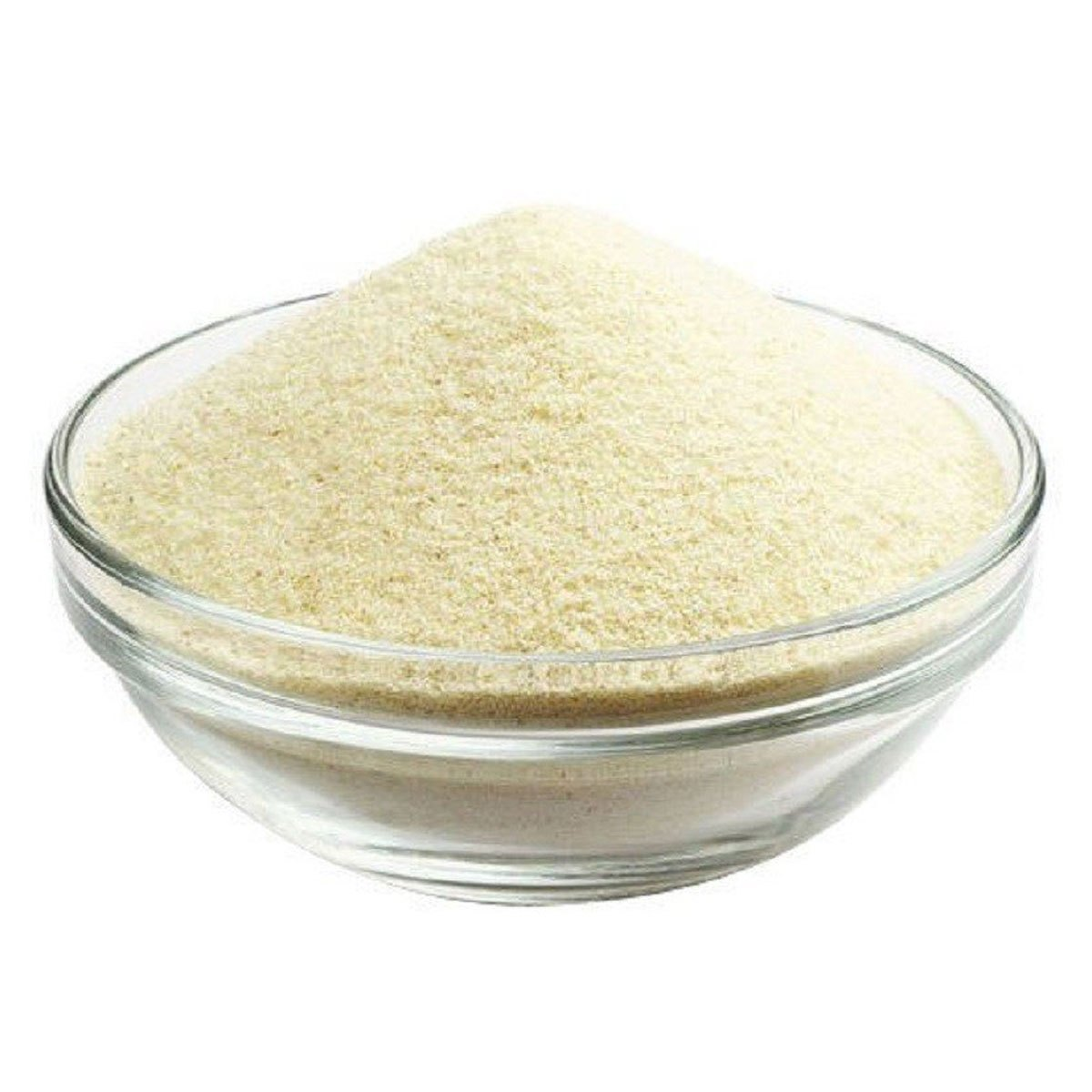
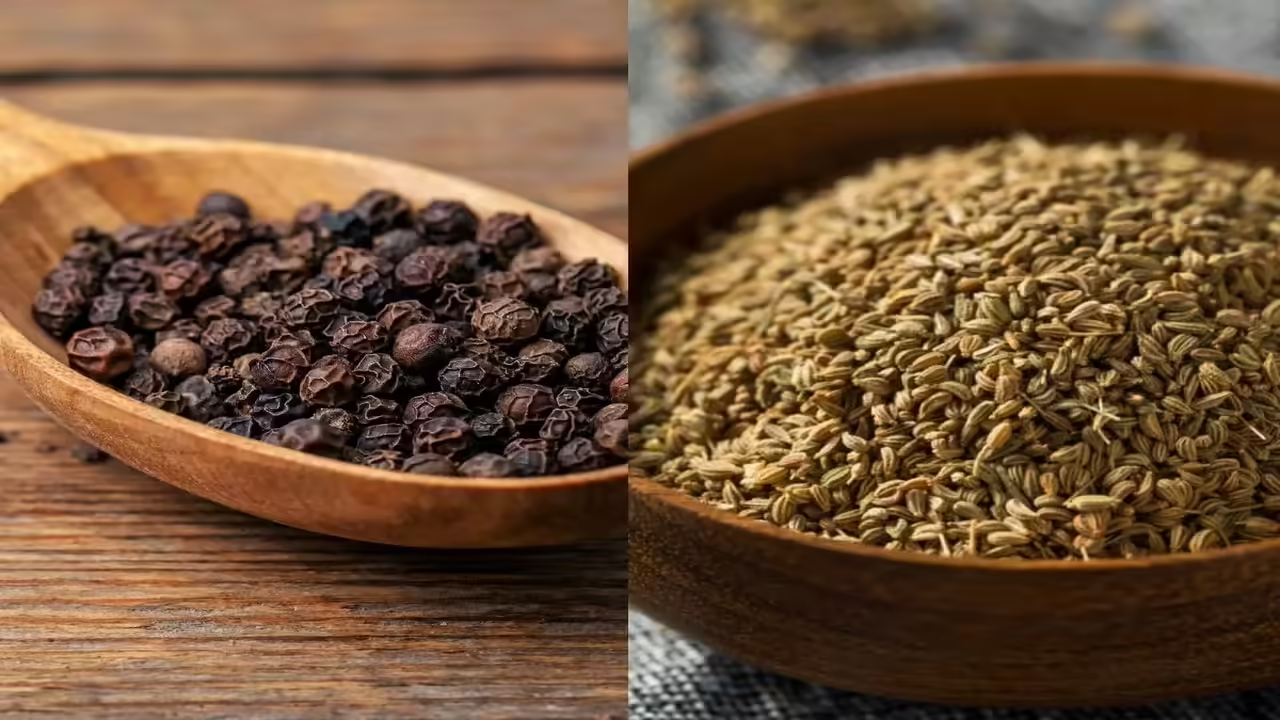
- Combine the dry ingredients. In a large mixing bowl or paraat, add the atta and suji. Add the crushed spices, crumbled kasuri methi, and salt. Mix thoroughly so the spices are evenly distributed through the flour.
- Work in the moyan. Pour 70ml of refined oil into the flour mixture. Rub the oil in with your fingertips for 3–4 minutes until the mixture resembles coarse breadcrumbs. To test if the moyan is right, press a handful in your fist — it should hold its shape without crumbling apart.
- Knead to a firm dough. Add water gradually, a few tablespoons at a time, and knead into a firm, smooth dough. The dough should be noticeably stiffer than roti dough — do not make it soft. Over-soft dough produces soft mathri.
- Rest the dough. Cover the dough with a damp cloth and let it rest for 15–20 minutes. This allows the semolina to hydrate fully and the gluten to relax, making rolling easier.
- Roll and shape. Divide the dough into 3–4 portions. Roll each portion on an un-floured surface to approximately 3–4mm thickness. Cut into rounds using a 5cm cutter, or into diamond shapes using a knife. Prick each piece 3–4 times with a fork to prevent puffing during frying.
- Prepare the oil. Heat 430ml of refined oil in a kadhai over medium heat. To test readiness, drop in a small piece of dough — it should rise slowly to the surface over 4–5 seconds. If it rises immediately, the oil is too hot. Reduce to medium-low before adding the mathri.
- Fry on low heat. Slide a batch of mathri into the oil without crowding. Fry on medium-low to low heat for 15–18 minutes per batch, turning occasionally, until the mathri is evenly golden and feels light and firm. Low and slow frying is the key to a crispy khasta mathri.
Drain and cool. Remove with a slotted spoon and drain on a paper towel. Spread out to cool completely — do not stack while hot. Mathri crisps up further as it cools. Once fully cooled, store in an airtight tin.
Benefits of Atta Mathri
Atta Mathri stands out among healthy evening snacks Indian recipes due to its balance of taste, nutrition, and shelf life.
- More fibre and nutrients than maida mathri. Whole wheat flour retains the bran, germ, and endosperm, providing dietary fibre, B vitamins, and vitamin E that refined flour cannot match.
- Long shelf life — made for busy lives. Atta Mathri stays fresh in an airtight container for 2–3 weeks, making it a reliable option for quick evening cravings.
- Digestive benefits from traditional spices. Ajwain supports digestion, while kasuri methi helps regulate blood sugar.
- Vegan and dairy-free. A great choice for those looking for plant-based healthy evening snacks Indian style.
- Perfect for meal prep and gifting. Ideal for festivals, tea-time, and travel.
Nutrition Value
Per serving (30g — approximately 3–4 pieces)
| Nutrient | Amount |
|---|---|
| Calories | 148 kcal |
| Total Fat | 7.5g |
| Carbohydrates | 18g |
| Protein | 3.5g |
| Sodium | 170mg |
| Fiber | 2.2g |
| Sugar | 0.3g |
Values are estimates based on ingredient composition and a typical oil absorption rate of ~10–12% during deep frying. Actual values may vary with frying time and thickness.
Who Should Avoid
- People with celiac disease or gluten intolerance: Atta Mathri contains whole wheat flour and semolina — both wheat-derived and high in gluten. It is not safe for anyone with celiac disease or a diagnosed wheat allergy.
- People managing Type 2 diabetes: Atta has a lower glycemic index than maida, and kasuri methi offers some blood sugar support, but this is still a fried, carbohydrate-rich snack. Those managing blood sugar should limit portion size and frequency.
- People on a ketogenic or very low-carb diet: Each 30g serving contains approximately 18g of carbohydrates, exceeding the daily carb budget of most keto plans.
- People on a sodium-restricted diet: Each serving contains approximately 170mg of sodium. Those managing hypertension or on medical sodium limits should monitor their intake carefully.
- People with cardiovascular conditions: This recipe uses deep frying in refined oil. Regular or large-quantity consumption may not be appropriate for those on a low-fat cardiac diet. Baked or air-fryer versions are better alternatives.
If you are unsure whether this dish is right for you, consult a doctor or nutritionist.
The History of Mathri
Mathri traces its roots to Rajasthan, where the arid climate and sparse vegetation drove communities to develop snacks built for longevity — high shelf life, made from pantry staples, and packed with enough flavour and energy to fuel long days. The word “mathri” (also spelled mathi, mathari, or mathiya) refers to the small, firm flour disc that Rajasthani cooks perfected over generations. From Rajasthan, it spread northward along trade and migration routes, becoming deeply embedded in the culinary traditions of Punjab and Uttar Pradesh.
Mathri holds a specific place in the North Indian ritual calendar. In Punjabi households, it is one of the first foods a woman eats after breaking the Karva Chauth fast — a small, grounding bite after a day of observance. During Diwali and Holi, mathri is made in large batches a week in advance, stored in tins, and served to visiting guests alongside pickles and chai. It appears in wedding farsan trays and pooja prasad spreads with equal ease. Historically, it was also a practical travel food — packed in cloth bundles by traders for journeys where fresh food was unavailable. That combination of cultural meaning and practical utility has kept this Indian snack relevant across centuries.
Frequently Asked Questions About Atta Mathri
Can I use maida instead of atta for mathri
Yes — traditional mathri is often made with maida, and it produces a slightly flakier, lighter cracker. We specifically use atta at Vyanjika because it delivers more fibre and nutrients. The technique is identical; only the flour changes.
How long does Atta Mathri stay fresh
Stored in an airtight tin at room temperature, Atta Mathri stays fresh and crispy for 2–3 weeks. Make sure the mathri is completely cooled before sealing the container — any residual warmth will create steam and soften the crackers.
Can I bake or air-fry atta mathri instead of deep frying
Yes. For baked mathri, bake at 180°C for 20–25 minutes, turning halfway, until golden. In an air fryer, 180°C for 12–15 minutes with a turn halfway works well. Both methods produce a crispy result with significantly less oil, though the texture will be slightly less flaky than the deep-fried version.
Can I make this whole wheat mathri recipe gluten-free
The traditional recipe cannot be made gluten-free as written — both atta and suji contain gluten. A gluten-free version can be made by substituting with a blend of rice flour, besan (chickpea flour), and buckwheat flour, though the texture and binding will differ.
What oil works best for frying mathri
Any neutral refined oil with a high smoke point works well — refined sunflower oil, refined groundnut oil, or refined rice bran oil are all suitable. Avoid unrefined oils or butter, which have lower smoke points and will burn at the sustained low-heat frying temperature this khasta mathri recipe requires.
Why is my mathri soft instead of crispy
Two most common reasons: the moyan was insufficient (not enough fat rubbed into the flour before adding water), or the frying temperature was too high (browned outside before the inside dried out). Ensure your dough passes the fist-press test before adding water, and always fry on medium-low to low heat for the full 15–18 minutes.
 No products in the cart.