
shakarpare are the kind of snack that travels well, lasts weeks, and disappears fast. These diamond-shaped, deep-fried sweet biscuits are a traditional Indian festival staple and carry a satisfying crunch that no packaged alternative quite matches. At Vyanjika, we make our Shakarpare recipe the traditional way — with just three core ingredients, no artificial preservatives, and the kind of slow frying that gets the colour and texture exactly right. If you have been looking for a reliable, shelf-stable sweet snack to order fresh from a home kitchen, this is it.
Shakarpare Ingredients
For the dough
- Maida (Refined Wheat Flour) — 600g
- Refined Oil (for moyan / fat in dough) — 120ml
- Chini (Refined Sugar) — 120g (adjust up to 150g for a sweeter batch)
- Water — 5–7 tablespoons (add gradually)
For frying
- Refined Oil — 330ml (for deep frying; replenish between batches as needed)
Total yield: approximately 1kg (100–110 pieces)
Difficulty Level
Difficulty: Medium — This recipe demands patience at the frying stage: the shakarpare must fry slowly over medium-low heat for 20–25 minutes per batch, and oil temperature must stay consistent throughout to achieve an even, light-golden colour without burning.
How to Make Shakarpare
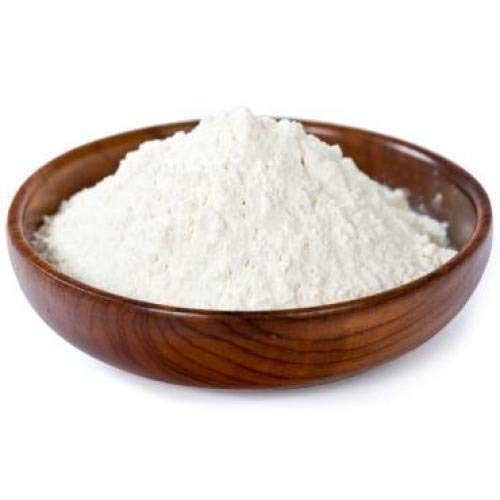
Measure 600g maida into a large mixing bowl. Add 120g sugar and mix well so the sugar distributes evenly through the flour.
Add 120ml refined oil to the flour mixture. Rub the oil in with your fingertips until the mixture resembles coarse, damp breadcrumbs. This step — called moyan — is what gives shakarpare their characteristic short, flaky texture. Take your time here; under-worked fat means dense, hard pieces.
Add water one tablespoon at a time, mixing after each addition, until the dough comes together. Knead for 2–3 minutes into a stiff, firm dough — it must not be soft or sticky. Cover with a damp cloth and rest for 10–15 minutes.
Divide the dough into 5 equal portions. Roll one portion out on a flat, ungreased surface to approximately 4–5mm thickness. Roll evenly so all pieces fry at the same rate.
Using a sharp knife, cut the rolled sheet into diamond shapes by making diagonal cuts at 3–4 cm intervals in two directions. Each piece should be roughly 3–4 cm across.
Prick each cut piece once or twice with a fork. This prevents the pieces from puffing up during frying and helps them cook through evenly.
Pour 330ml refined oil into a deep kadhai or heavy-bottomed pan and heat over medium flame. Test the oil by dropping in a small piece of dough — it should rise to the surface steadily within 2–3 seconds. If it shoots up immediately, reduce the heat; if it sinks slowly, the oil needs more time.
Slide the cut shakarpare gently into the medium-hot oil. Do not overcrowd — leave space between pieces. Work in batches of 20–25 pieces depending on your pan size.
Fry on medium-low heat for 20–25 minutes, turning gently every 3–4 minutes for even colour on all sides. The target colour is light golden — pale straw to soft amber. Remove early rather than late; dark brown means bitter.
Remove with a slotted spoon and drain on kitchen paper towels. Allow to cool completely at room temperature — the shakarpare will crisp up further as they cool. Do not store while warm.
Once fully cool, store in an airtight container. Shakarpare keep well at room temperature for 2–3 weeks without refrigeration.
Benefits of Shakarpare
- No artificial preservatives. We make Shakarpare with just flour, oil, and sugar — no additives, colours, or stabilisers. The frying process itself creates the long shelf life naturally.
- Shelf-stable for weeks. Stored in an airtight container, a batch lasts 2–3 weeks without refrigeration, making it ideal for gifting, travel, or keeping a quality snack on hand through a busy week.
- Satisfying in small portions. The fat content from frying and the crunch of the sugar-laced crust make even 4–5 pieces genuinely satisfying, which helps with portion awareness.
- Completely dairy-free. Our Shakarpare are made with refined oil rather than ghee, making them suitable for those who avoid dairy products.
- Festival-ready and gift-worthy. Shakarpare are a classic Diwali and Holi snack — one of the most recognised sweets in Indian festive gifting — and our 1kg batch is sized precisely for that purpose.
- Customisable sweetness. Made fresh to order, we can adjust the sugar level on request — something no packaged product offers.
Nutrition Value
Per serving (5 pieces, approximately 30g)
| Nutrient | Amount |
|---|---|
| Calories | ~138 kcal |
| Total Fat | ~7.5g |
| Carbohydrates | ~16g |
| Sugar | ~5g |
| Protein | ~1.5g |
| Sodium | ~55mg |
| Fiber | ~0.4g |
Values are approximate and based on ingredient composition. Actual values may vary slightly depending on oil absorption during frying and exact sugar quantity used.
Who Should Avoid Shakarpare
- People with diabetes or insulin resistance. Shakarpare are made with refined flour and sugar, both of which cause rapid blood sugar increases. They are not suitable for daily consumption if you are managing blood glucose levels.
- People with wheat allergy or coeliac disease. Maida contains gluten. People with wheat allergy or coeliac disease must avoid this product entirely.
- Individuals on calorie-restricted diets. At approximately 460–500 kcal per 100g, shakarpare are calorie-dense. Best consumed as an occasional treat rather than a daily snack.
- People with cardiovascular conditions. Deep-fried in refined oil, shakarpare are not appropriate as a regular snack for people managing cholesterol or heart disease.
- Infants and toddlers under 2. The hard, crunchy texture poses a choking risk for very young children.
If you are unsure whether this dish is right for you, consult a doctor or nutritionist.
The History of Shakarpare
The name Shakarpare traces its roots to the Persian word Shekarpareh — “shekar” meaning sugar and “pareh” meaning pieces or cuts. This etymology reveals the lasting Mughal and Persian influence on the Indian sweet-making tradition, where sugar-based confections were central to hospitality and celebration. As Persian culinary culture merged with North Indian kitchens, the term evolved into the many regional names we know today: Shankarpali in Maharashtra, Kalakala in Tamil Nadu, Teepi Maida Biscuits in Andhra Pradesh, and Khurma in Bihar and Nepal.
Shakarpare are most strongly associated with Diwali and Holi, when families across India prepare large batches to share as gifts and to serve guests over the festive season. Their long shelf life made them a practical choice for occasions that required advance preparation and generous gifting. Today they remain one of the most recognised homemade festival snacks in Indian households — a simple recipe that has outlasted generations of food trends.
Frequently Asked Questions About Shakarpare
Can I substitute maida with whole wheat flour in shakarpare?
You can replace up to 50% of the maida with whole wheat flour (atta) for added fibre, though the texture will be slightly denser and less flaky. A full atta substitution significantly changes the crispiness. We recommend a 70:30 maida-to-atta ratio if you want a healthier variation without sacrificing too much texture.
How long do shakarpare last?
Stored in an airtight container at room temperature, shakarpare keep well for 2–3 weeks. Make sure they are fully cooled before storing — sealing in residual warmth creates moisture that softens the pieces. Do not refrigerate, as this can introduce condensation.
Can I use jaggery instead of refined sugar in the shakarpare recipe?
Yes, powdered jaggery (gur) works well as a substitute and produces a slightly earthy, deeper sweetness — the resulting snack is similar to Gurpare. Use approximately the same quantity by weight and mix it thoroughly into the dry flour before adding oil.
Are shakarpare suitable for vegans?
Our Shakarpare use refined oil rather than ghee, removing the dairy concern. Whether they qualify as fully vegan depends on how the refined white sugar was processed — some brands are processed using bone char. If strict vegan compliance matters to you, request a jaggery-based batch.
What equipment do I need to make shakarpare at home?
You need a large mixing bowl, a rolling pin, a sharp knife or pastry cutter for shaping, a deep kadhai or heavy-bottomed pan for frying, and a slotted spoon. No specialised equipment is required. A kitchen thermometer helps maintain consistent oil temperature (around 160–165°C), but experienced cooks can judge by the dough-drop test described in the steps above.
Are shakarpare good for Diwali gifting?
Shakarpare are one of the most traditional Diwali gifts. The 2–3 week shelf life means they travel well and arrive fresh. Our 1kg batch yields approximately 100–110 pieces — enough to fill a standard festive gift box generously — and each batch is made fresh to order.
 No products in the cart.