
Atta Gond Laddu is one of those recipes we at Vyanjika hold close. This atta gond laddu recipe combines roasted whole wheat flour, puffed edible gum, makhana, and mixed nuts into an energy-dense sweet with deep roots in North Indian tradition. Every ingredient earns its place — this is not a dessert, it is a food that nourishes. For anyone who wants a wholesome homemade sweet without the effort of sourcing specialty ingredients or spending hours in the kitchen, this is the recipe to start with. Let us walk you through exactly how we make them.
Ingredients
Makes approximately 22 laddus (1 kg batch)
- Atta (Whole Wheat Flour) — 220g (about 1¾ cups)
- Gond (Edible Gum) — 60g (about 4 tablespoons)
- Makhana (Fox Nuts / Lotus Seeds) — 50g (about 1½ cups)
- Kaju (Cashews), coarsely chopped — 50g (about ⅓ cup)
- Badam (Almonds), coarsely chopped — 50g (about ⅓ cup)
- Kasa Hua Nariyal (Grated Coconut, dry) — 80g (about 1 cup)
- Ghee (Clarified Butter) — 370g (about 1½ cups)
- Khaand (Crushed Sugar / Raw Cane Sugar) — 120g (about ½ cup)
Difficulty Level
Difficulty: Medium — This gond ke ladoo recipe demands patience and temperature awareness more than complex technique; the atta roasting step requires 20–30 minutes of continuous stirring, and the gond frying requires careful heat control to puff without burning.
How to Make Atta Gond Laddu
Measure and prep all ingredients before heating the kadai. Coarsely chop the cashews and almonds. Keep the gond, makhana, nuts, coconut, and khaand in separate bowls.
Heat ghee in a heavy-bottomed kadai over medium heat. Use enough ghee to submerge the gond pieces — start with about 200g (reserve the rest for later steps).
Test the ghee temperature by dropping in one piece of gond. It should puff up within 20–30 seconds. If it sinks and sits, the ghee is not hot enough. If it browns immediately, reduce the heat.

Fry the gond in small batches — 4 to 5 pieces at a time. Each batch takes 30–60 seconds. Remove immediately once fully puffed. Drain on a paper towel.
Fry the remaining gond in batches until all 60g is done. Set aside to cool completely (10 minutes). Once cooled, place in a zip-lock bag and crush coarsely with a rolling pin — you want small irregular pieces, not powder.
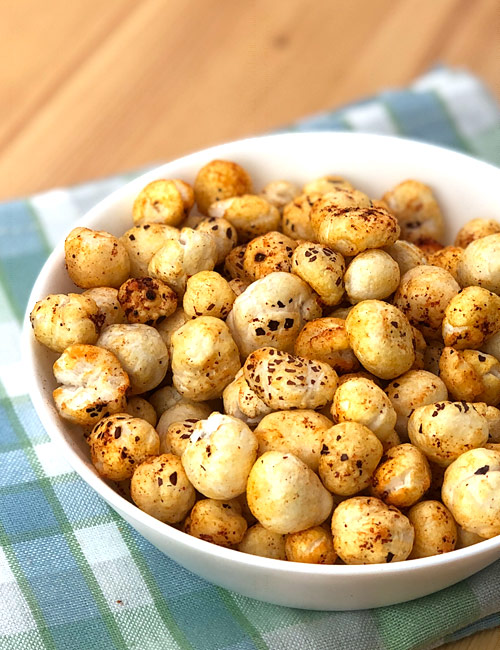
Roast the makhana in the same ghee over low-medium heat, stirring continuously, for 5–7 minutes until crisp and lightly golden. Remove and set aside.
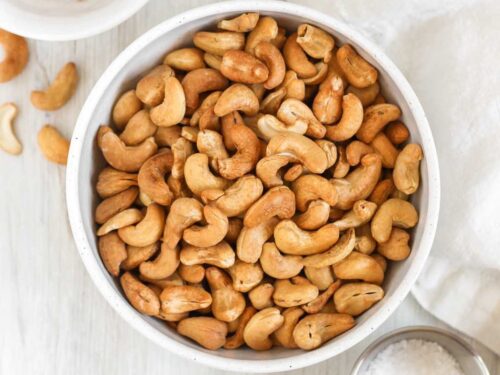
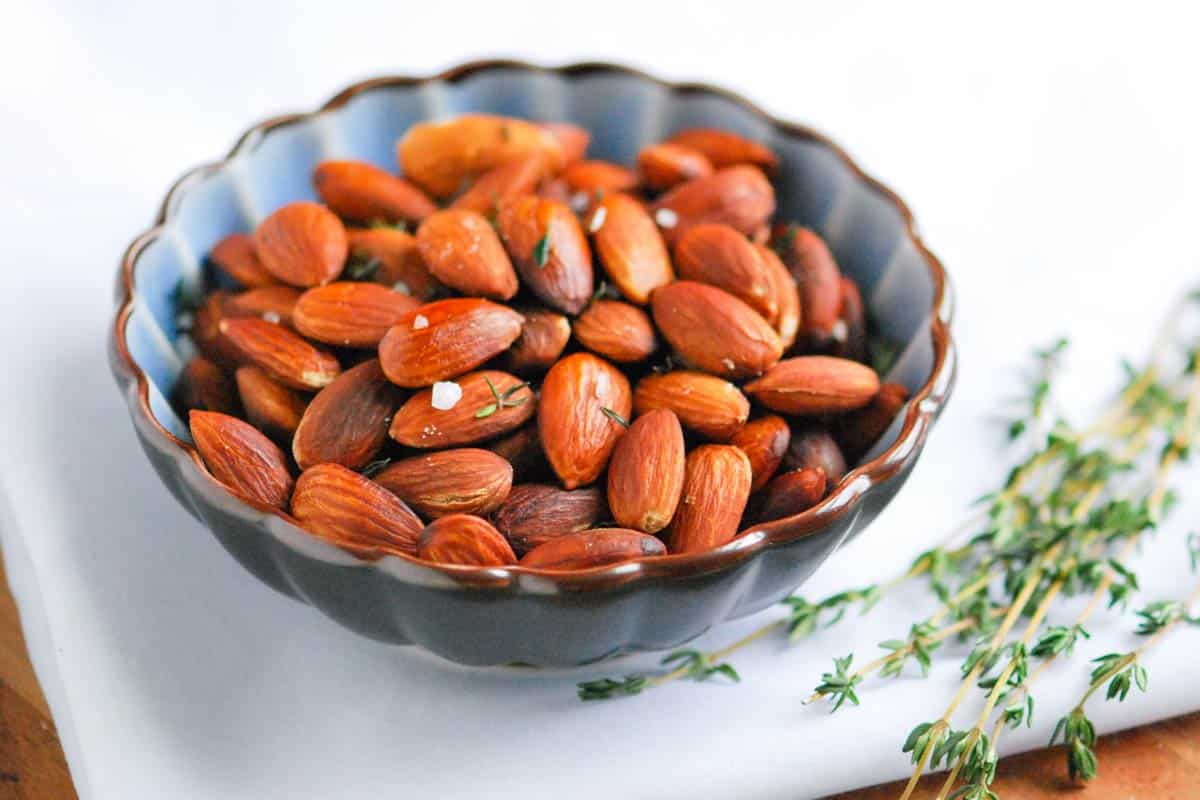
Fry the cashews and almonds in the same ghee for 2–3 minutes until golden. Remove and set aside.
Add the remaining ghee to the kadai (approximately 170g more). Reduce heat to low.

Add the atta and begin roasting, stirring continuously with a spatula to prevent sticking and ensure even cooking. Scrape the bottom of the kadai as you stir.
Roast the atta for 20–30 minutes on low-medium heat until it turns a deep golden brown and emits a rich, nutty aroma. The color shift from pale beige to golden brown is your signal — not the clock. Do not rush this step.
Remove the kadai from heat and allow the roasted atta to cool for 8–10 minutes until it is warm but comfortable to touch.
Add all remaining ingredients to the kadai: crushed gond, roasted makhana, fried nuts, grated coconut, and khaand. Mix thoroughly with a spatula until fully combined.
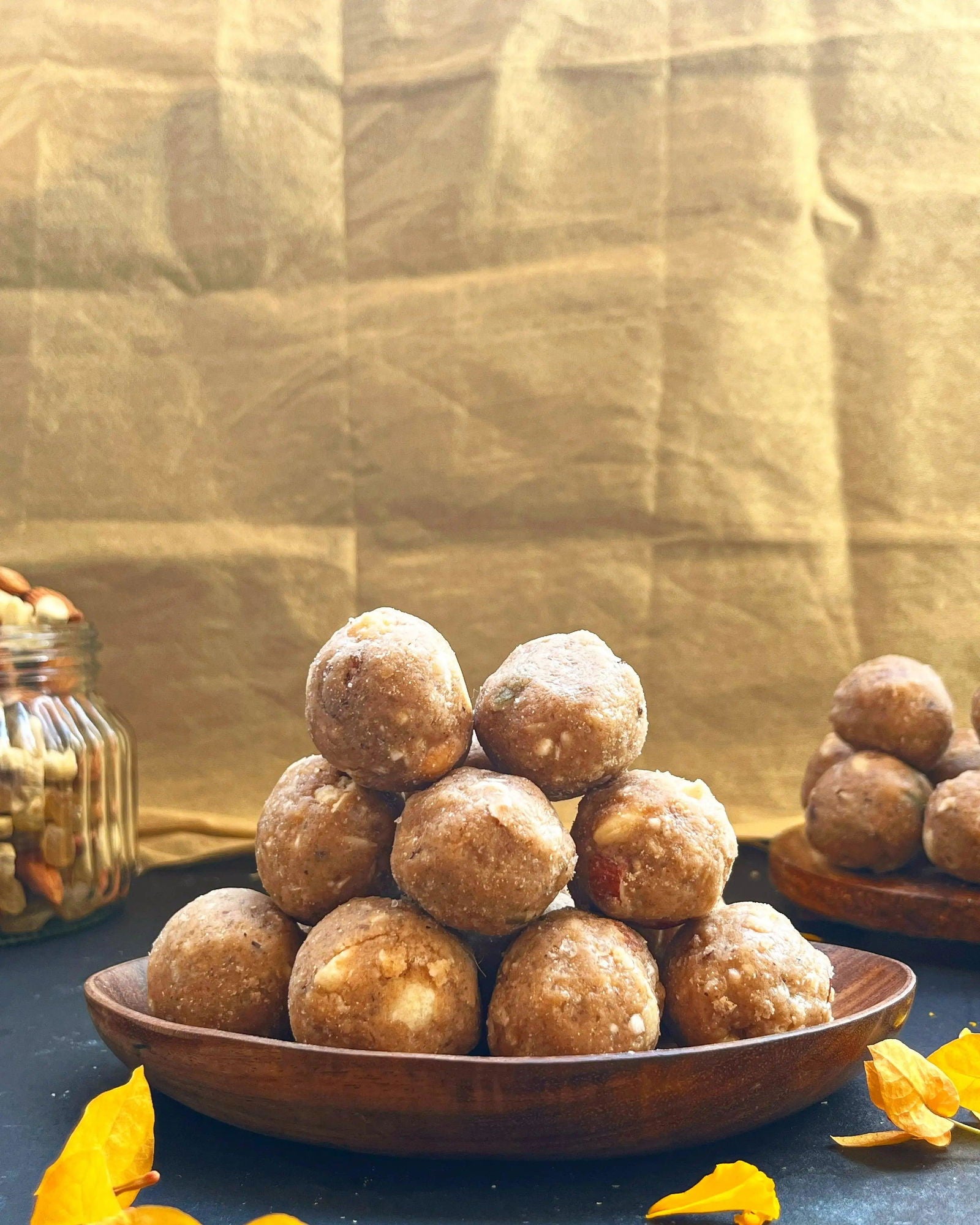
Shape the laddus while the mixture is still warm. Take a heaped tablespoon of mixture (about 45g), press firmly with both palms, and roll into a smooth ball. Warmth helps the laddu bind — if the mixture cools and crumbles, place the kadai back on low heat for 1–2 minutes and try again.
Place finished laddus on a plate or tray and allow to cool completely before storing. Do not stack until fully set.
Store in an airtight container at room temperature for up to 3–4 weeks. Refrigerate in warmer months for up to 2 months.
Benefits of Atta Gond Laddu
- Sustained energy without a sugar crash. The combination of whole wheat flour, ghee, and nuts provides complex carbohydrates and healthy fats that release energy slowly — making these laddus a far better snack than packaged alternatives.
- Traditionally formulated for recovery and strength. Gond (edible gum) has been used in Ayurvedic practice for centuries to support postpartum recovery, back strength, and joint health. This is not just a sweet — it is functional food.
- Excellent for meal prep and long shelf life. A single 1 kg batch of this gond laddu recipe yields approximately 22 laddus that stay fresh for up to 4 weeks at room temperature. Make once, snack for weeks.
- Rich in micronutrients. Almonds contribute Vitamin E and calcium. Makhana adds magnesium and low-GI protein. Ghee provides fat-soluble vitamins A, D, E, and K2. Every ingredient pulls nutritional weight.
- No preservatives, no additives. These laddus are whole-food, kitchen-made, and free of anything that did not start in your pantry.
- Perfect for Indian winter sweet cravings. Gond and ghee both have warming properties in Ayurvedic tradition, making this an ideal snack from October through February.
Nutrition Value
Serving size: 1 laddu (approximately 45g)
Based on ~22 laddus from a 1 kg batch. Values are estimates.
| Nutrient | Per Serving |
|---|---|
| Calories | 310 kcal |
| Total Fat | 20g |
| Carbohydrates | 27g |
| Protein | 5g |
| Sodium | 8mg |
| Fiber | 2g |
| Sugar | 12g |
Who Should Avoid
- People with celiac disease or wheat allergy — Atta is whole wheat flour and contains gluten. This recipe is not suitable for anyone with gluten intolerance or celiac disease.
- People with tree nut allergies — This recipe contains cashews and almonds. Cross-contamination risk if nuts are handled in a shared kitchen.
- People managing type 2 diabetes or insulin resistance — Each laddu contains approximately 12g sugar and 310 kcal. Consume only with medical guidance if managing blood sugar.
- Infants under 12 months — Contains whole nuts (choking hazard) and is too calorie-dense for young children.
- People on restricted-fat diets — At 20g fat per laddu, primarily from ghee, this is not suitable for strict low-fat protocols.
- People with dairy allergy (not lactose intolerance) — Ghee is clarified butter. While most milk solids are removed, trace dairy proteins may remain.
If you are unsure whether this dish is right for you, consult a doctor or nutritionist.
The History of Atta Gond Laddu
Gond ke Ladoo — known as Atta Gond Laddu in North India and Dink Ladoo in Maharashtra — has been prepared in Indian households for generations as both an Indian winter sweet and a postpartum restorative food. The recipe spans Rajasthan, Uttar Pradesh, Punjab, and Madhya Pradesh, with regional variations in the nuts and sweetener used, but the core of gond, ghee, and atta remains unchanged across all of them.
The central ingredient, gond (edible gum, harvested from the Anogeissus latifolia tree), has been documented in Ayurvedic texts as a warming, strengthening food with a garam taseer (warm potency). Traditionally, large batches were prepared by mothers and mothers-in-law for new mothers during the forty-day postpartum period — a practice that modern nutrition science has since validated. The combination of gond for joint and back recovery, ghee for fat-soluble vitamins and healing, atta for slow-release energy, and mixed nuts for micronutrients represents one of the most complete traditional postpartum formulations in Indian culinary history. Today, Gond Laddu is also prepared for Makar Sankranti celebrations and winter gift-giving, and is experiencing a mainstream revival as interest in traditional superfoods grows.
Frequently Asked Questions About Atta Gond Laddu
Can I substitute ghee with oil or butter in this gond laddu recipe?
We recommend ghee for both flavor and nutritional reasons — it is what makes this recipe work. Coconut oil is the closest functional substitute for a dairy-free version, though the flavor will differ significantly from the traditional laddu. Regular butter is not recommended as its water content changes the texture of the roasted atta.
How long do Atta Gond Laddus stay fresh?
Stored in an airtight container at room temperature, these laddus stay fresh for 3–4 weeks. In warmer or more humid climates, refrigerate them for up to 2 months. The high ghee content acts as a natural preservative. Do not store in a damp or uncovered container.
Can I make gond ke ladoo without nuts for a nut-free version?
Yes. Omit the cashews and almonds entirely, or replace them with seeds such as pumpkin seeds or sunflower seeds for a similar texture and added nutrition. The recipe will still hold together from the atta and gond combination.
What are the benefits of gond laddu for new mothers?
Atta Gond Laddu has traditionally been given to postpartum women in North India for its warming, strengthening properties. Gond is believed to support back recovery and lactation. That said, every individual’s postpartum nutritional needs are different — always consult your doctor or nutritionist before adding any specific food to a postpartum diet.
What equipment do I need to make this atta gond laddu recipe at home?
A heavy-bottomed kadai or deep pan, a slotted spoon, a large mixing bowl, and a rolling pin or small blender for crushing the fried gond. No specialized equipment is required. A kitchen scale is helpful for accurate gond laddu ingredients quantities.
Can I reduce the sugar or use a substitute in this recipe?
Yes. Khaand (crushed raw cane sugar) is the traditional choice and has a slightly lower glycemic impact than refined white sugar. You can reduce the quantity to taste, or substitute with coconut sugar or jaggery powder for a different flavor profile. Artificial sweeteners are not recommended as they affect the laddu’s ability to bind.
 No products in the cart.