
Maida Mathri is a deep-fried savoury cracker from North India, rooted in the kitchens of Rajasthan and Punjab and now beloved across the country as the definitive chai-time snack. Crisp, flaky, and richly spiced with ajwain, black pepper, and kasuri methi, each piece carries a centuries-old tradition of making food that lasts — crafted without preservatives and stored in tins for weeks. For those of us who want the real thing without the effort of making it from scratch, we at Vyanjika make our Maida Mathri recipe using the same high-fat dough technique that gives it that shattering crunch no packaged version can replicate. Here is the full recipe, so you know exactly what goes into every piece.
Ingredients
Yield: 1 kg (approximately 60–80 pieces)
- Maida (Refined Wheat Flour) — 1,000 g (approximately 8 cups)
- Refined Oil (for dough / moyan) — 650 g (approximately 3 cups)
- Ajwain (Carom Seeds), coarsely crushed — 1 g (approximately ¼ teaspoon)
- Kali Mirch (Black Pepper), coarsely crushed — 1 g (approximately ¼ teaspoon)
- Kasuri Methi (Dried Fenugreek Leaves), crushed — 1 g (approximately ½ teaspoon)
- Namak (Salt) — 10–12 g (approximately 2 teaspoons, adjust to taste)
- Ice-cold water — as needed (approximately 100–150 ml)
- Refined Oil — for deep frying (approximately 800 ml–1 litre)
Difficulty Level
Difficulty: High — This mathri recipe demands mastery of oil temperature control, tactile moyan technique, and patient low-heat frying — skills that take practice to develop but are deeply rewarding once learned.
How to Make Maida Mathri
Stage A — Moyan (Fat Incorporation)
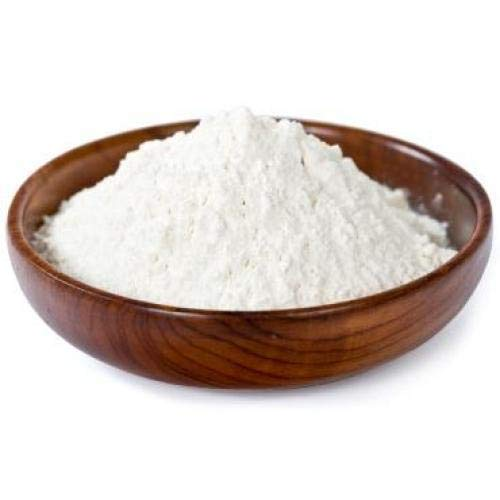
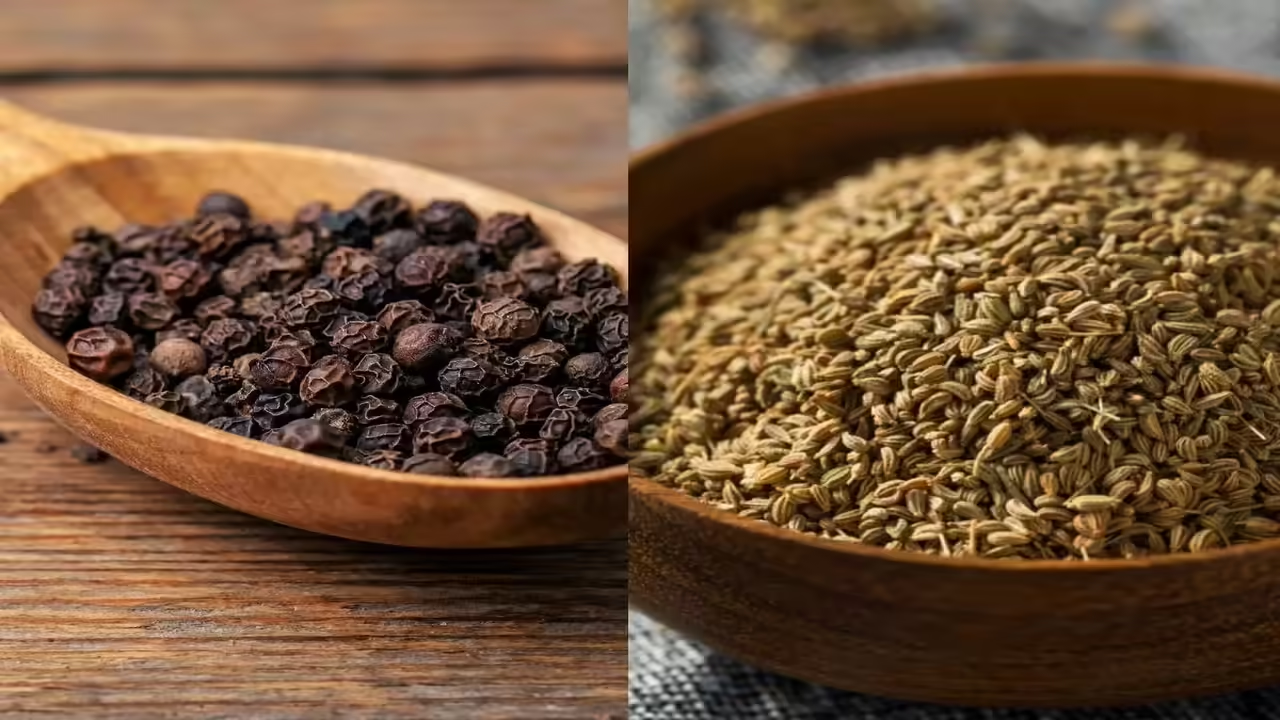
Combine maida, crushed ajwain, crushed kali mirch, crushed kasuri methi, and salt in a large mixing bowl (paraat or thaal). Mix the dry ingredients together evenly.
Pour 650 g of refined oil into the flour mixture. Rub the oil into the flour with your fingertips using a crumbling, pressing motion for 5–7 minutes, until the mixture resembles coarse breadcrumbs and holds its shape when you press a fistful. This step is the moyan — do not skip or rush it.
Test the moyan: press a handful of the mixture firmly into a clump. If it holds without falling apart, the fat is evenly distributed and you are ready to proceed. If it crumbles, rub in more oil for 1–2 more minutes.
Stage B — Dough Formation
Add ice-cold water a tablespoon at a time, mixing gently between each addition. Use just enough water to bring the dough together — approximately 100–150 ml total.
The dough should be firm and stiff — noticeably stiffer than chapati dough. Do not knead vigorously; the goal is to just combine, not develop gluten.
Cover the dough with a damp cloth and rest for 20–30 minutes at room temperature.
Stage C — Shaping
Divide the rested dough into portions. Roll each portion into a smooth ball between your palms.
Using a rolling pin, roll each ball to approximately 3–4 mm thickness on a rolling board. Aim for even thickness from edge to centre.
Cut uniform discs using a round cutter, glass rim, or small katori — approximately 5–7 cm in diameter. Alternatively, shape by hand into triangles (tikoni mathri) for a traditional Rajasthani style.
Prick each disc all over with a fork 8–10 times. This step prevents the mathri from puffing up during frying.
Stage D — Deep Frying
Pour sufficient refined oil into a kadai for deep frying. Heat over a medium flame.
Test oil temperature: drop a small piece of dough into the oil. If it rises slowly and steadily to the surface over 3–4 seconds, the oil is at the correct temperature (approximately 150–160°C). If it rises instantly, the oil is too hot — reduce the flame before proceeding.
Gently slide 4–6 mathri into the oil. Do not crowd the kadai.
Immediately reduce the flame to low. Fry the first side until light golden — approximately 3–4 minutes. Flip using a slotted spoon.
Fry the second side until evenly golden brown — approximately 3–4 minutes. Total frying time per batch is 7–10 minutes on low heat throughout.
Remove with a slotted spoon, drain excess oil, and transfer to a plate lined with paper towels. Repeat with remaining batches.
Stage E — Cooling and Storage
Allow mathri to cool completely to room temperature before tasting or storing — they crisp up further as they cool.
Store in an airtight tin or container. Properly made mathri stays crisp for 3–4 weeks at room temperature.
Benefits of Maida Mathri
- Digestive spice trio: Ajwain, black pepper, and kasuri methi each serve a digestive function — ajwain’s thymol relieves bloating, black pepper’s piperine stimulates stomach acid production, and kasuri methi’s galactomannan fiber supports gut health. Every spice in this mathri recipe is pulling its weight.
- Long shelf life, zero preservatives: The high fat content and near-zero moisture of mathri naturally preserve it for 3–4 weeks. No artificial preservatives, no emulsifiers — just the same chemistry that made it a reliable travel snack for centuries.
- Cleaner than packaged alternatives: Homemade Maida Mathri contains no trans fats, artificial colours, or additives. You know exactly what is in every piece.
- Ideal for meal prep and gifting: Make a full kilogram batch once and have your chai snack sorted for weeks. Mathri ships well, stores easily, and makes an excellent homemade Diwali gift.
- Naturally vegan and dairy-free: This formulation uses refined oil throughout — no ghee, no dairy, no eggs — making it suitable for vegan and dairy-free diets.
Nutrition Value
Per serving: 3 pieces (approximately 30–35 g)
| Nutrient | Amount |
|---|---|
| Calories | 160–175 kcal |
| Total Fat | 10–11 g |
| Carbohydrates | 15–18 g |
| Protein | 2–3 g |
| Sodium | 160–200 mg |
| Fiber | 0.5–1 g |
| Sugar | 0 g |
Estimates benchmarked against published nutritional data for commercial mathri. Actual values vary by frying time and oil absorption.
Who Should Avoid
- People with diabetes or prediabetes: Maida has a glycemic index of approximately 80–85 and virtually no fiber to slow glucose absorption. Even a small serving can cause a significant blood sugar spike.
- People with cardiovascular disease or hypertension: Deep frying increases total fat significantly, and the sodium content contributes to blood pressure concerns. Those on a low-fat or low-sodium diet should avoid.
- People with celiac disease, non-celiac gluten sensitivity, or wheat allergy: Maida is refined wheat flour — it contains high levels of gluten. There is no suitable workaround in this recipe for those with wheat or gluten conditions.
- People managing weight or obesity: At 160–175 kcal per small 30 g serving, mathri is calorie-dense. Regular consumption without careful portion control can contribute to caloric surplus.
- People with fatty liver disease (NAFLD): Regular intake of deep-fried refined flour snacks is associated with worsening liver health in those with NAFLD.
- Children under 3 years: The hard, crunchy texture presents a choking hazard, and the sodium and fat levels are not appropriate for very young children.
- Pregnant women with gestational diabetes: The high refined-carb and fat load is not suitable for those managing blood sugar during pregnancy.
If you are unsure whether this dish is right for you, consult a doctor or nutritionist.
The History of Maida Mathri
Mathri’s origins are rooted in practical necessity. Rajasthan — an arid desert state with extreme temperatures and long distances between settlements — demanded a North Indian savoury snack that could survive weeks without refrigeration, sustain energy during travel and fasting, and be easily carried in cloth or tin. The high-fat, low-moisture formula was not simply a flavour choice; it was a preservation strategy. Merchants, pilgrims, and migrant workers crossing the desert relied on mathri as their most dependable travel food. This is why the technique of rubbing generous amounts of fat into the flour (the moyan) sits at the heart of every mathri recipe — it is engineering, not indulgence.
From Rajasthan, mathri spread across Punjab and Uttar Pradesh through migration patterns in the 20th century, developing regional variations along the way. In Punjab, mathri became thicker and triangular; in UP, thinner and peppered with fennel. Today, mathri holds a sacred place in the Karva Chauth Sargi — the pre-dawn meal given by a mother-in-law to her daughter-in-law to sustain the day-long fast. It fills Diwali namkeen tins, appears on Holi spreads as the savoury counterpoint to sweet gujiya, and sits beside the chai glass across every North Indian home. Few traditional Indian snacks have survived the packaged snack revolution as intact as mathri — it remains a recipe passed down by feel rather than written measurement, and that intimacy with the craft is part of what makes it irreplaceable.
Frequently Asked Questions About Maida Mathri Recipe
Can I use whole wheat flour (atta) instead of maida in this mathri recipe?
Yes, you can substitute atta for maida. The texture will be denser and less flaky — atta develops a different gluten structure that does not create the same layers — but the flavour will be nuttier and the fiber content significantly higher. If you are looking for a slightly healthier variant, a 50:50 blend of atta and maida gives a reasonable balance of texture and nutrition.
How long does Maida Mathri stay fresh?
Properly made and fully cooled mathri stored in an airtight tin stays crisp and fresh for 3–4 weeks at room temperature. The key is ensuring it is completely cool before sealing — any residual warmth traps moisture and softens the mathri. Do not refrigerate; cold and humidity are the enemies of crunch.
Why is my mathri soft or chewy instead of crisp?
There are three common causes: over-kneading the dough (develops gluten, makes it chewy), frying on too high a flame (browns the outside while leaving the inside undercooked and soft), or not resting the dough long enough. Fry on low heat for the full 7–10 minutes per batch, and allow each piece to cool completely — mathri firms up further as it cools.
Is this Maida Mathri recipe suitable for vegans?
Yes. This recipe uses refined oil throughout — no ghee, no dairy, no eggs — making it suitable for vegans. If you choose to substitute ghee for the oil in the dough (a traditional variation), it is no longer vegan or dairy-free.
Can I make this mathri recipe in advance for Diwali or gifting?
Absolutely — mathri is one of the best North Indian savoury snacks for advance preparation. A full 1 kg batch made 2–3 weeks before Diwali will still be perfectly crisp on the day. Pack in airtight tins lined with tissue to absorb any residual oil.
What oil is best for frying mathri?
Any neutral, high smoke-point oil works well — refined sunflower oil, groundnut oil, or rice bran oil are all suitable choices. Avoid oils with low smoke points as they will break down at frying temperatures. The flavour of the mathri comes from the spices, not the oil, so a neutral oil is ideal.
 No products in the cart.